
We read your photo as:
Based on the provided apparatus and reagents list, what are the likely practical examination topics and skills to be assessed?
Chemistry
ScanSolve AI Answer
The provided list of apparatus and reagents indicates that the practical examination will cover the following areas:
- Acid-base titrations: This involves using the burette, pipette, and indicators like methyl orange and phenolphthalein with various dilute acids (hydrochloric, trioxonitrate (V), tetraoxosulphate (VI)) and bases (sodium hydroxide, aqueous ammonia).
- Qualitative analysis: This includes identifying unknown substances using a range of reagents (e.g., dilute acids, bases, silver trioxonitrate (V) solution, aqueous barium chloride, lime water, red and blue litmus papers, iodine solution) and tests like the burning splint for gas identification.
- General laboratory skills: These encompass fundamental techniques such as filtration, heating, and solution handling, utilizing equipment like beakers, test tubes, filtration apparatus, and a bunsen burner.
Was this helpful?
Still stuck on this one?
Ask a follow-up, and the answer starts from this question.
Got a different question?Ask your own question
More Chemistry Questions
QWhat apparatus and reagents are required for a chemistry practical exam?QBased on the provided instructions, what are the key tasks and materials for each of the four…QWhat are the requirements for setting up a chemistry practical examination, including apparatus and…QSummarize the key instructions for conducting practical chemistry exams, focusing on supervisor…QWhat are the key points and instructions regarding the supervisor's report and practical…
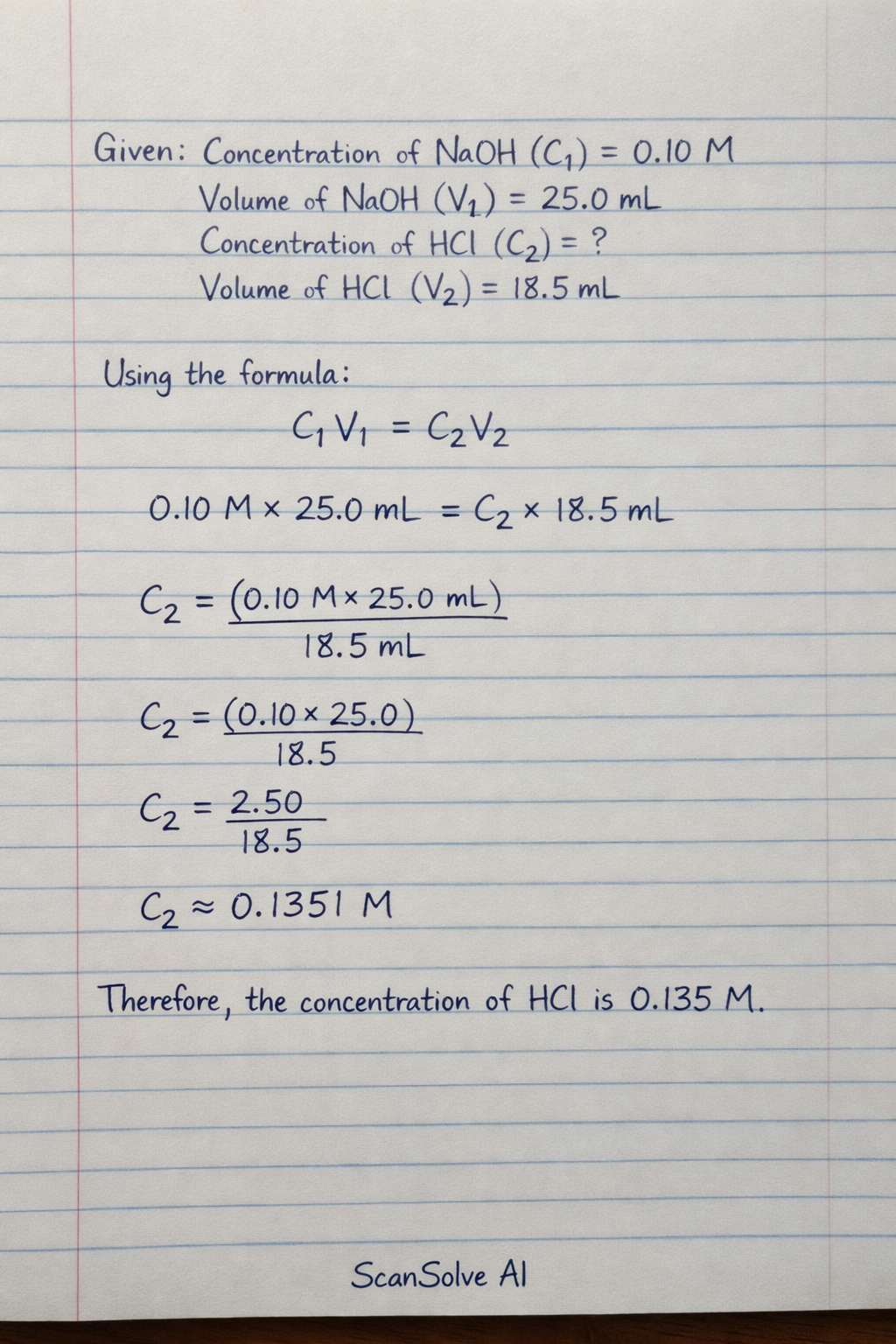
Handwritten Step-by-Step Solution
Get this as a handwritten image on WhatsApp — like a tutor wrote it for you.
Try on WhatsApp