
We read your photo as:
Economics differs from natural sciences in several fundamental ways, primarily due to its subject matter and methodology. Natural sciences, such as physics or chemistry, study the physical and natural
ScanSolve AI Answer
Economics differs from natural sciences in several fundamental ways, primarily due to its subject matter and methodology. Natural sciences, such as physics or chemistry, study the physical and natural world, often employing controlled experiments to establish universal laws and highly predictable outcomes. In contrast, economics studies human behavior, resource allocation, and decision-making in the face of scarcity. This involves complex social interactions and individual choices, which are difficult to isolate and control in experimental settings. Consequently, economics relies more on observation, statistical analysis, and the development of theoretical models, leading to principles and tendencies rather than absolute, deterministic laws. The inherent unpredictability and subjectivity of human actions mean that economic theories often provide probabilistic predictions rather than the precise, universal certainties sought in natural sciences.
Still stuck on this one?
Ask a follow-up, and the answer starts from this question.
More Economics Questions
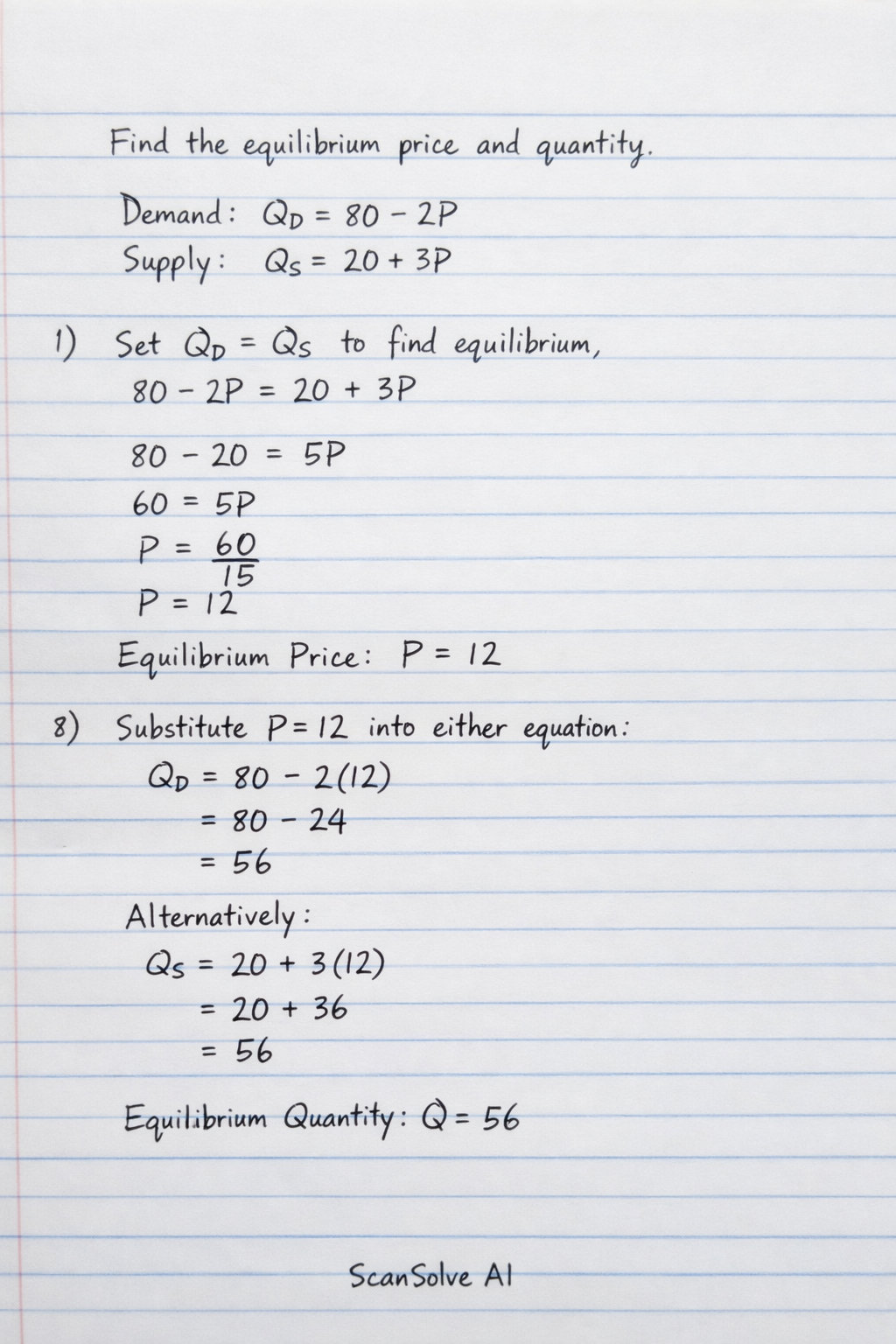
Handwritten Step-by-Step Solution
Get this as a handwritten image on WhatsApp — like a tutor wrote it for you.
Try on WhatsApp