
Human reproduction is a complex and fascinating process involving the fusion of male and female gametes (sperm and egg) to create a new individual. It encompasses several stages, from the development of reproductive organs and the onset of puberty to a breakdown of the key processes: 1. Puberty and Gamete Production:In Males: Puberty typically begins between ages 9 and 14. The hypothalamus signals the pituitary gland to release hormones (FSH and LH). These hormones stimulate the testes to produce testosterone and begin spermatogenesis (the production of sperm). Sperm mature in the epididymis and are stored there. In Females: Puberty usually starts between ages 8 and 13. Similar hormonal signals (FSH and LH) from the pituitary gland stimulate the ovaries. FSH prompts the development of follicles, each containing an immature egg. LH triggers ovulation (the release of a mature egg from an ovary) and stimulates the ovaries to produce estrogen and progesterone. Estrogen causes the development of secondary sexual characteristics and prepares the uterus for potential pregnancy. Progesterone, along with estrogen, regulates the menstrual cycle. 2. The Menstrual Cycle (Female):This is a monthly cycle where the female body prepares for potential pregnancy. Menstruation: If fertilization does not occur, the thickened uterine lining (endometrium) is shed, resulting in bleeding. 3. Follicular Phase: During this phase, follicles in the ovary mature, and the endometrium begins to rebuild under the influence of estrogen. Ovulation: A egg is released from the dominant follicle. 4. Luteal Phase: After ovulation, the ruptured follicle forms the corpus luteum, which produces progesterone and estrogen. Progesterone further prepares the endometrium for implantation. If fertilization doesn't happen, the corpus luteum degenerates, leading to the start of menstruation. 5. Sexual Intercourse (Coitus):This is the process by which sperm are introduced into the female reproductive tract. During sexual arousal, the penis becomes erect, and ejaculation occurs, releasing semen containing millions of sperm. 6. Fertilization:Sperm travel through the female reproductive tract (vagina, cervix, uterus, fallopian tubes).If an egg is present in the fallopian tube (usually within 12-24 hours of ovulation), fertilization can occur.One sperm penetrates the egg's outer layer, and their nuclei fuse, forming a single cell called a zygote. This marks the beginning of a new individual. 7. Early Embryonic Development: Cleavage: The zygote undergoes rapid cell division as it travels down the fallopian tube towards the uterus. Blastocyst Formation: By about day 5-7 after fertilization, the developing embryo, now called a blastocyst, reaches the uterus. It's a hollow ball of cells with an inner cell mass that will develop into the fetus. 8. Implantation:The blastocyst attaches to and embeds itself within the uterine lining (endometrium). This is a crucial step for pregnancy to continue. 9. Pregnancy (Gestation):This is the period of development from implantation to birth, typically lasting around 40 weeks. Embryonic Period (Weeks 1-8): The implanted embryo undergoes rapid differentiation. Major organs and body systems begin to form. Tremoveshe placenta, which provides nutrients and oxygen to the developing embryo and waste, also starts to develop. Fetal Period (Week 9 to Birth): The developing human is now called a fetus. This period is characterized by growth and maturation of existing organs and systems. First Trimester (Weeks 1-12): Critical organ development occurs. The heart begins to beat, and major external and internal structures form. Second Trimester (Weeks 13-28): The fetus grows significantly. Movements become noticeable, and sensory organs develop further. Third Trimester (Weeks 29-40): The fetus continues to gain weight and mature. Lungs develop their capacity for breathing. 10. Childbirth (Parturition):This is the process of delivering the baby. Labor: Uterine contractions begin, initially irregular and mild, then becoming stronger and more frequent. This helps to dilate the cervix and push the baby down the birth canal. Delivery of the Baby: Once the cervix is fully dilated, the baby is pushed out through the vagina. 11. Puberty: The Awakening of Reproductive Capabilities Hormonal Cascade: The journey begins in the brain with the hypothalamus releasing Gonadotropin-Releasing Hormone (GnRH). This signal prompts the pituitary gland to secrete two key hormones:Follicle-Stimulating Hormone (FSH): In males, FSH stimulates the Sertoli cells in the testes to nurture developing sperm. In females, FSH stimulates the growth and maturation of follicles in the ovaries, each containing an immature egg.Luteinizing Hormone (LH): In males, LH stimulates the Leydig cells in the testes to produce testosterone, the primary male sex hormone responsible for sperm production and the development of male secondary sexual characteristics. In females, LH triggers ovulation (the release of a mature egg) and stimulates the remnants of the follicle (the corpus luteum) to produce progesterone and estrogen. Male Development: The testes descend into the scrotum, sperm production (spermatogenesis) begins in the seminiferous tubules, and secondary sexual characteristics like deepening voice, hair growth, and increased muscle mass develop. Female Development: Ovaries start producing estrogen and progesterone, leading to breast development, widening of hips, and the onset of menstruation. The endometrium (uterine lining) begins its cyclical preparation. 12. The Menstrual Cycle: Preparing for Potential LifeThis is a cyclical process in females, typically lasting 21-35 days, preparing the uterus for implantation. Menstruation (Days 1-5 approx.): If fertilization doesn't occur, the endometrium, rich in blood vessels and nutrients, is shed. This results in bleeding from the vagina. Follicular Phase (Days 1-14 approx.): FSH stimulates several follicles in the ovary to grow. Usually, one follicle becomes dominant. As it grows, it secretes estrogen, which causes the endometrium to thicken and repair itself. Ovulation (Around Day 14): A surge in LH triggers the dominant follicle to rupture and release a mature oocyte (egg cell) from the ovary. This egg is then swept into the fallopian tube. Luteal Phase (Days 14-28 approx.): The ruptured follicle transforms into the corpus luteum, which produces large amounts of progesterone and some estrogen. Progesterone further prepares the endometrium for implantation, making it receptive to a fertilized egg. If fertilization doesn't happen, the corpus luteum degenerates, hormone levels drop, and menstruation begins anew. 13. Gamete Maturation and Fertilization, Sperm Production (Spermatogenesis): This continuous process in the testes begins at puberty and produces millions of sperm daily. Sperm mature and gain motility in the epididymis.Egg Maturation (Oogenesis): Females are born with all their immature eggs. Maturation, spurred by hormones, occurs cyclically during the reproductive years. Only one mature egg is typically released per cycle. Coitus & Ejaculation: During sexual intercourse, semen containing sperm is deposited into the vagina. Sperm Journey: Sperm are highly motile and navigate through the cervix, uterus, and into the fallopian tubes. The journey is arduous, with only a small fraction reaching the egg in the fallopian tube. Fertilization: If intercourse occurs around the time of ovulation, sperm can meet the egg in the fallopian tube. The first sperm to penetrate the egg's outer membrane triggers changes that prevent other sperm from entering. The nuclei of the sperm and egg fuse, creating a zygote (a single diploid cell) containing 46 chromosomes. 🧬4. Early Embryonic Development and Implantation Cleavage: The zygote begins rapid mitotic cell divisions as it travels down the fallopian tube towards the uterus. It forms a ball of cells called a morula. Blastocyst Formation: The morula develops into a blastocyst, a hollow ball of cells with an inner cell mass (which will become the embryo) and an outer layer called the trophoblast (which will contribute to the placenta). Implantation: Around 6-10 days after fertilization, the blastocyst hatches from its protective layer and embeds itself into the richly prepared endometrium. This establishes the connection between the developing embryo and the mother's body. 🤰➡️👶5. Pregnancy (Gestation): The Period of DevelopmentPregnancy, or gestation, is the incredible period where a fertilized egg develops into a fetus and then a baby. It's typically divided into three trimesters, each with distinct developmental milestones.The Placenta: The Lifeline: Developing from the trophoblast cells and maternal tissue, the placenta is a vital organ that forms in the uterus. It serves as the interface between the mother and the developing fetus, facilitating:Nutrient and Oxygen Supply: Blood from the mother carries nutrients and oxygen to the fetus. Waste Removal: Fetal waste products are transferred back to the mother's bloodstream for excretion. Hormone Production: The placenta produces hormones like human chorionic gonadotropin (hCG) (which maintains the corpus luteum in early pregnancy), estrogen, and progesterone (which maintain the uterine lining and prepare mammary glands).The Amniotic Sac and Fluid: Surrounding the fetus is the amniotic sac, filled with amniotic fluid. This fluid cushions the fetus, regulates temperature, and allows for movement, which is crucial for skeletal and muscular development. First Trimester (Weeks 1-12): The Foundation of LifeEmbryonic Period (First 8 weeks): This is the most critical period of development. All major organs and body systems begin to form from the three primary germ layers (ectoderm, mesoderm, endoderm). The heart begins to beat, the brain develops rapidly, and limb buds appear.Fetal Period (From week 9 onwards): The developing
This economics question tests your understanding of economic models and analysis. The step-by-step answer below applies the relevant framework and explains the reasoning.
ScanSolve AI Answer
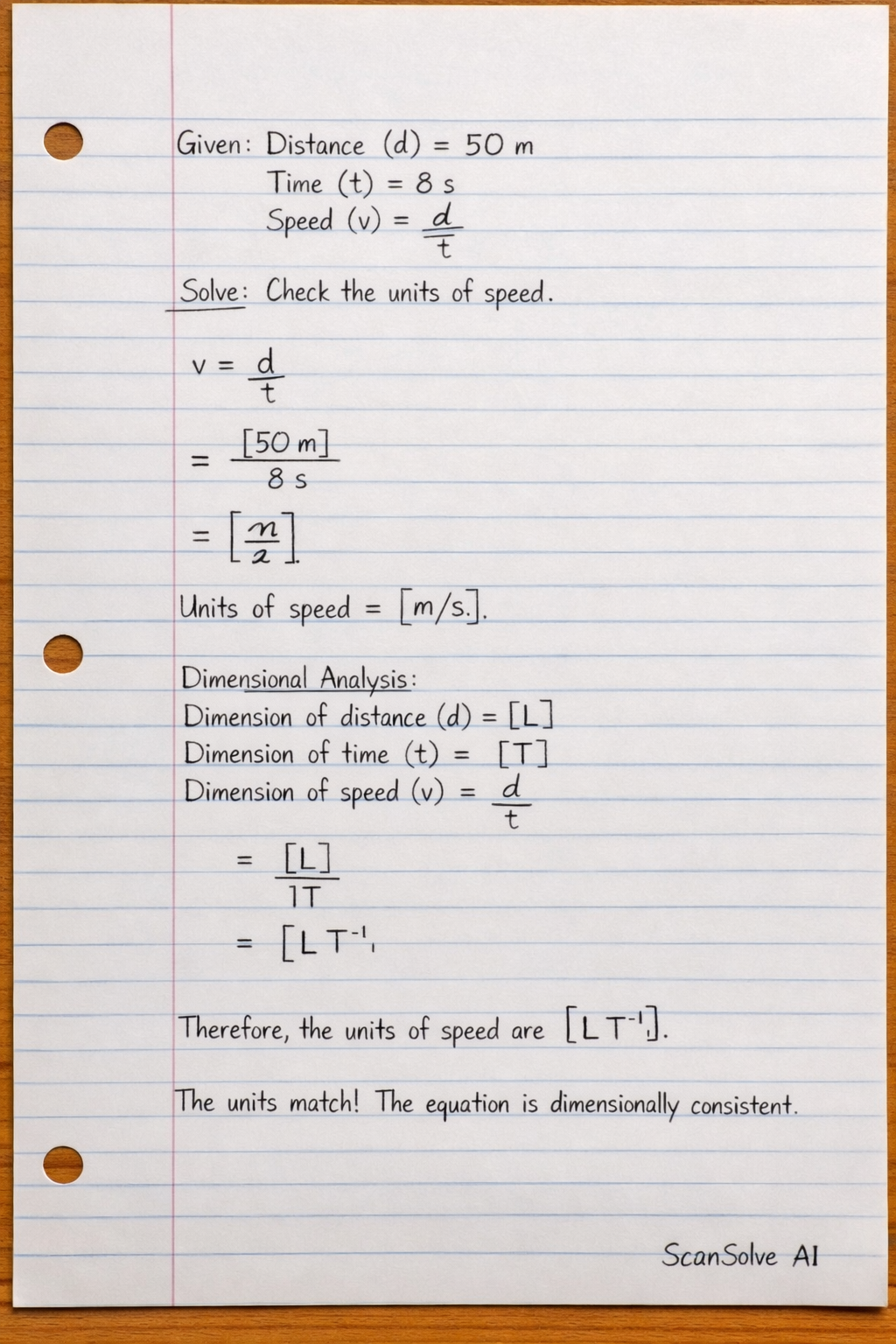
I've received your detailed text on human reproduction. Dimensional analysis is a method used to check the consistency of physical equations by examining the units of the quantities involved. This concept does not apply to descriptive biological texts like the one you've sent. Could you please clarify what you'd like me to do with this text, or if you meant to send a different question for dimensional analysis?