
Creating a geography syllabus involves outlining key topics, objectives, and activities that will guide the course. Below is a sample syllabus for an introductory geography course that could be adapted for various educational settings: --- Introductory Geography Syllabus Course Title: Introduction to Geography Course Code: GEO101 Semester: Fall 2026 Instructor: [Instructor Name] Contact Information: [Email & Office Hours] Class Schedule: [Days & Time] Location: [Classroom/Online Platform] Course Description: This course provides an overview of human and physical geography, exploring how geographical factors influence culture, economy, and the environment. Students will learn to analyze spatial relationships and geographical patterns, enhancing their understanding of the world. Course Objectives: By the end of this course, students will be able to: 1. Understand fundamental geographic concepts and principles. 2. Analyze various physical and human geographical phenomena. 3. Evaluate the impact of geography on global issues such as climate change, urbanization, and resource distribution. 4. Use geographical tools and technologies, including GIS and spatial analysis. 5. Develop critical thinking skills through case studies and real-world applications. Course Topics: 1. Introduction to Geography - Definition and branches of geography - The role of geography in understanding the world 2. Physical Geography - Earth’s structure and landscapes - Climate and weather patterns - Biomes and ecosystems - Natural resources and their distribution 3. Human Geography - Population geography and migration - Cultural landscapes and identity - Urban geography and city planning - Economic geography and globalization 4. Geographical Tools and Techniques - Cartography and map reading skills - Geographic Information Systems (GIS) - Remote sensing and data analysis 5. Global Issues in Geography - Environmental challenges and sustainability - Geopolitical conflicts and territorial issues - Impact of climate change on human activities - The significance of natural disasters and emergency management Assessment Methods: - Quizzes and Tests (30%): Short quizzes throughout the semester to assess understanding. - Assignments (20%): Research assignments on geographical topics. - Group Project (20%): Collaborative project exploring a key geographical issue. - Final Exam (30%): Comprehensive exam covering all course material. Required Textbooks and Resources: - [Textbook Title], Author, Edition - Online resources and articles as assigned Class Policies: - Attendance is essential for success in this course. - Late assignments will incur a penalty unless prior arrangements are made. - Participation in discussions is encouraged and will impact final grades. Course Calendar (Tentative): - Week 1: Introduction to Geography - Week 2-3: Physical Geography - Week 4-5: Human Geography - Week 6: Midterm Review and Exam - Week 7-8: Geographical Tools, GIS - Week 9-10: Global Issues in Geography - Week 11: Group Project Presentations - Week 12: Final Review - Week 13: Final Exam --- This syllabus can be adjusted based on specific educational needs, target audience, and institutional guidelines. Feel free to customize it further to align with educational goals!
History
ScanSolve AI Answer
This is a comprehensive syllabus for an introductory geography course, outlining key topics, objectives, and assessment methods effectively.
Was this helpful?
Still stuck on this one?
Ask a follow-up, and the answer starts from this question.
Got a different question?Ask your own question
More History Questions
QSummarize the details of the Geography Research Assignment.QThis document outlines a Geography research assignment for Grade 11 students in 2026.QBased on the provided questionnaire, here is a summary of the respondent's information and attitudes…QSECTION A: PHYSICAL GEOGRAPHY - STRUCTUREDQThematic and Integrated Approach: The syllabus adopts a thematic approach, integrating various…
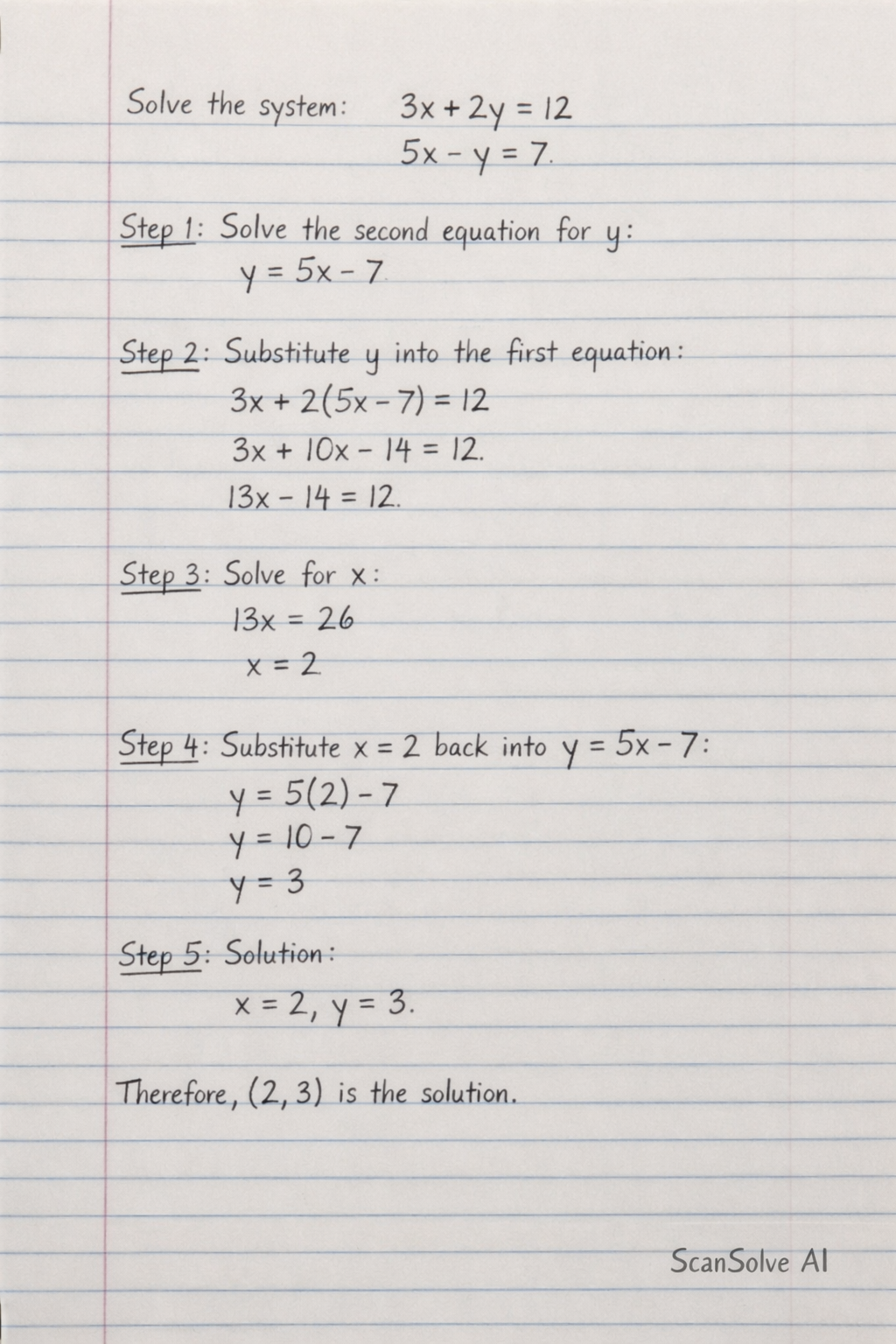
Handwritten Step-by-Step Solution
Get this as a handwritten image on WhatsApp — like a tutor wrote it for you.
Try on WhatsApp