
We read your photo as:
HOE HET DIE WAARHEIDS-EN-VERSOENINGSKOMMISSIE (WVK) LEIERS VAN DIE APARTHEIDSREGERING BLOOTGELEI VIR GROUWE MENSEGEREGTESKENDINGS WAT TUSSEN 1960 EN 1994 GEPLEEG IS?
ScanSolve AI Answer
Here are the answers to your questions. Please note that for questions requiring specific information from "Bron 2A, 2B, 2C, 2D" (Sources 2A, 2B, 2C, 2D), I cannot provide a definitive answer as the sources were not provided. I will indicate where the sources are needed.
VRAAG 2: HOE HET DIE WAARHEIDS-EN-VERSOENINGSKOMMISSIE (WVK) LEIERS VAN DIE APARTHEIDSREGERING BLOOTGELÊ VIR GROWWE MENSEREGTESKENDINGS WAT TUSSEN 1960 EN 1994 GEPLEEG IS?
2.1 Bestudeer Bron 2A.
- 2.1.1 Waarom, volgens die bron, het die Nasionale Party die idee van 'n Waarheids-en-Versoeningskommissie (WVK) ondersteun?
- I cannot answer this question without Source 2A.
- 2.1.2 Definieer die term amnestie in jou eie woorde.
- Amnesty is a pardon granted by a government for political offenses, often to a group of people, preventing prosecution or punishment for past crimes. In the context of the TRC, it was offered to individuals who fully disclosed politically motivated human rights violations.
- 2.1.3 Waarom, dink jy, het swart Suid-Afrikaners verduidelikings van oortreders geëis, en nie net onthullings deur die Nasionale Party nie?
- Black South Africans sought explanations directly from perpetrators to understand the full truth of what happened to their loved ones and communities. This was crucial for healing and closure, as revelations from the National Party alone might have been perceived as incomplete or biased.
- 2.1.4 Verduidelik die implikasie van die Minister van Justisie, Dullah Omar, se stelling oor die WVK "... om Suid-Afrikaners in staat te stel om ... met die verlede vrede te maak en om dis saak van versoening te bevorder".
- The implication of Dullah Omar's statement is that the TRC's primary goal was not solely punishment, but rather to facilitate a process of national healing and reconciliation. By uncovering the truth, it aimed to help victims and perpetrators move past the traumatic apartheid era, fostering a sense of peace and unity in the new democratic South Africa.
- 2.1.5 Wat, volgens die bron, was die menings van die volgende oor die toestaan van algemene amnestie deur die WVK?
- (a) De Klerk
- I cannot answer this question without Source 2A.
- (b) ANC
- I cannot answer this question without Source 2A.
- (a) De Klerk
2.2 Bestudeer Bron 2B.
- 2.2.1 Haal DRIE bewyse uit die bron aan wat daarop sinspeel dat Botha se regering in die laat 1970's die 'gebied van kriminele wangedrag' betree het.
- I cannot answer this question without Source 2B.
- 2.2.2 Verduidelik die term derde mag in die konteks van die apartheidsregering se manier waarop die ANC hanteer is.
- The term third force refers to covert operations by elements within the apartheid state security forces, often in collaboration with Inkatha Freedom Party members, to destabilize black communities and incite violence between political groups like the ANC and IFP. This was done to undermine the transition to democracy and weaken the ANC.
- 2.2.3 Lewer kommentaar op waarom jy dink De Klerk het nie opgetree na die bewerings wat deur Generaal Steyn oor derdemag-aktiwiteite gemaak is nie.
- De Klerk might not have acted on General Steyn's allegations due to political sensitivity, fear of destabilizing the ongoing negotiations for a democratic South Africa, or a lack of full control over all elements within the security forces. There could also have been a desire to protect the image of the outgoing government or a belief that the allegations lacked sufficient proof at the time.
- 2.2.4 Wie, volgens die bron, was betrokke by die bombardering van Khotso House?
- I cannot answer this question without Source 2B.
2.3 Lees Bron 2C.
- 2.3.1 Verduidelik die belangrikheid van die frase, 'UITEINDELIK 'N GROTE!', in die konteks van die WVK-proses.
- I cannot answer this question without Source 2C.
- 2.3.2 Wat is die implikasie van 'JY MOES DIE GESIEN HET WAT WEGGEKOM HET' ten opsigte van die WVK-proses?
- I cannot answer this question without Source 2C.
2.4 Raadpleeg Bron 2D.
- 2.4.1 Wat, volgens die bron, was T Leon se siening oor hoe die Nasionale Party sy voetsoolspore behandel het?
- I cannot answer this question without Source 2D.
- 2.4.2 Waarom, volgens die bron, het P Erasmus genoem dat '... ek daardie ou woede nog so warm soos altyd in my binneste gevoel brand (het)', met betrekking tot die vergaderings tussen oud-ministers, generaals en die Staatsveiligheidsraad oor hoe om teen die WVK op te tree?
- I cannot answer this question without Source 2D.
- 2.4.3 Lewer kommentaar op waarom die voetsoldate gevoel het dat die leierskap van die regerende party deur wie hulle aangestel is, hulle weggegooi het.
- The "foot soldiers" (lower-ranking security force members) likely felt abandoned because they were often left to face the consequences of their actions during apartheid, while the senior leadership, who gave the orders, seemed to escape accountability or deny knowledge. The amnesty process of the TRC also put them in a position where they had to confess, while some leaders remained silent or denied involvement.
- 2.4.4 Waarom sou 'n geskiedkundige hierdie bron as betroubaar beskou wanneer die aanspreeklikheid van die Nasionale Party-leierskap teenoor die WVK-prosesse nagevors word?
- A historian might consider this source reliable if it provides firsthand accounts, internal documents, or testimonies from individuals directly involved in the National Party leadership or security forces. Such a source could offer unique insights into the decision-making processes, motivations, and strategies employed by the leadership to avoid accountability during the TRC processes. The reliability would depend on corroboration with other sources and critical evaluation of the author's perspective.
2.5 Verwys na Bron 2C en 2D. Verduidelik hoe die inligting in Bron 2C die bewyse in Bron 2D ondersteun met betrekking tot hoe die leierskap van die apartheidsregering gedurende die WVK-verhore aanspreeklikheid vermy het.
- I cannot answer this question without Sources 2C and 2D.
2.6 Gebruik die inligting in die relevante bronne en jou eie kennis en skryf 'n paragraaf van ongeveer 80 woorde om te verduidelik hoe die Waarheids-en-Versoeningskommissie (WVK) die leiers van die apartheidsregering blootgelê het vir growwe menseregtesskendings wat tussen 1960 en 1994 gepleeg is.
- The TRC exposed apartheid leaders through public hearings where victims shared their testimonies and perpetrators applied for amnesty in exchange for full disclosure. This process compelled some leaders and security force members to reveal details of gross human rights violations, including torture, murder, and political assassinations, committed under the apartheid regime. While not all leaders fully confessed, the cumulative evidence from victims and some perpetrators, combined with investigations, painted a comprehensive picture of state-sanctioned atrocities, thereby exposing the extent of their involvement and accountability.
Still stuck on this one?
Ask a follow-up, and the answer starts from this question.
More History Questions
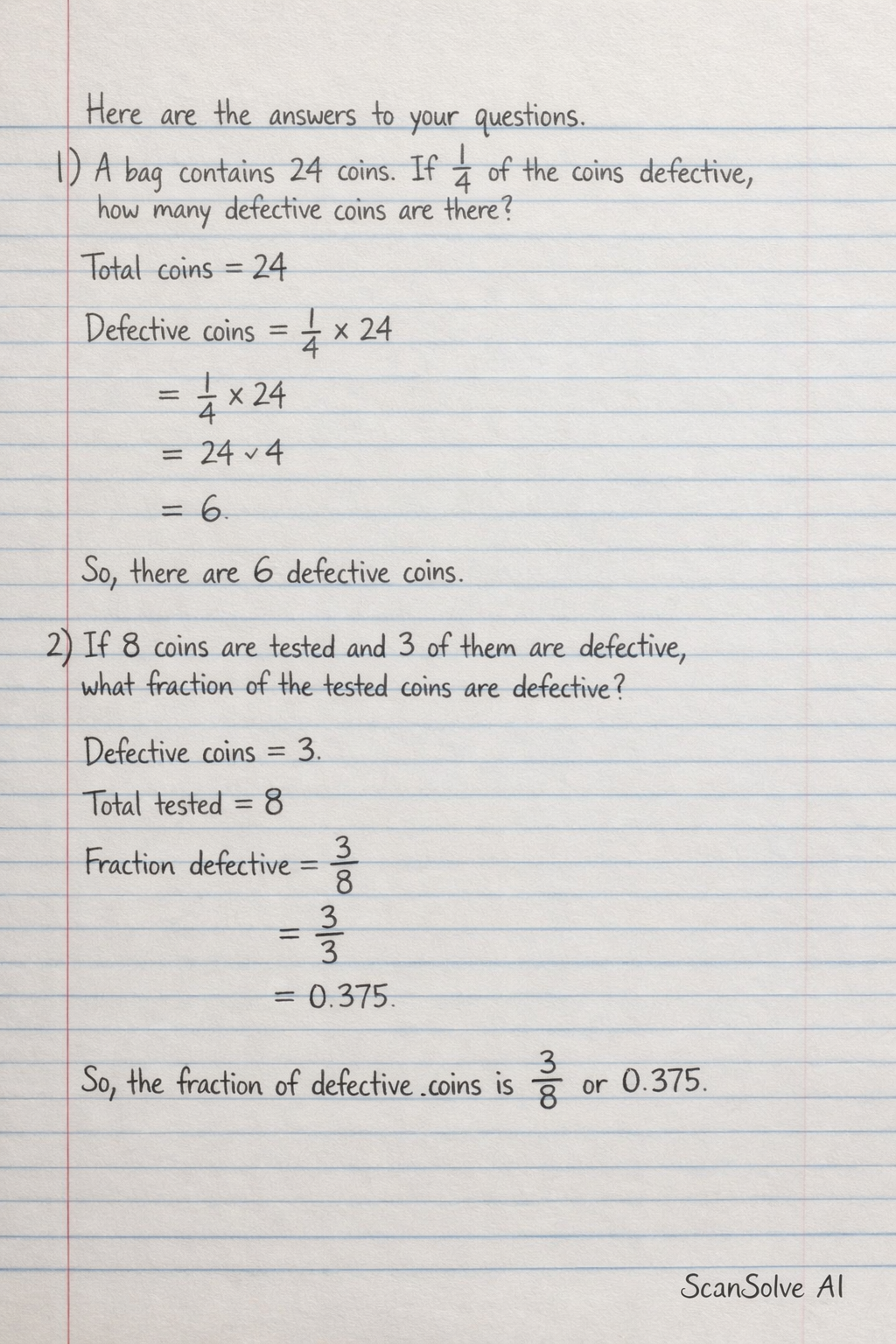
Handwritten Step-by-Step Solution
Get this as a handwritten image on WhatsApp — like a tutor wrote it for you.
Try on WhatsApp