
We read your photo as:
Describe the adaptations of hydrophytes to their photosynthetic function, and name factors affecting enzyme-controlled reactions.
ScanSolve AI Answer
e) Hydrochloric acid from the stomach is neutralized by bicarbonate ions secreted by the pancreas and duodenal glands. This neutralization occurs in the duodenum.
f) The digestive enzyme that works best in acidic conditions in humans is pepsin.
g) Apart from temperature and pH, three other factors that affect enzyme-controlled reactions are:
- Substrate concentration
- Enzyme concentration
- Presence of inhibitors or activators
7. (a) Describe the adaptation of hydrophytes to their photosynthetic function.
Hydrophytes (aquatic plants) have several adaptations for photosynthesis:
- Floating leaves have stomata on their upper surface to facilitate gas exchange with the air, and a large surface area to maximize light absorption.
- Submerged leaves are often thin, highly dissected, or ribbon-like to maximize the surface area for efficient absorption of dissolved gases (carbon dioxide) and light. They also have numerous chloroplasts in their epidermal cells to capture low light intensities.
- Many hydrophytes possess aerenchyma, which are large air-filled tissues that provide buoyancy, allowing leaves to float, and facilitate the diffusion of gases within the plant.
- Their cuticle is often thin or absent, allowing direct absorption of water and dissolved nutrients and gases through the leaf surface.
- Flowers are often raised above the water or float on the surface to facilitate pollination.
7. (b) Explain how mammalian ileum is adapted to perform its function.
The mammalian ileum is adapted for the absorption of digested food in several ways:
- Long length: The ileum is very long, providing an extensive surface area and sufficient time for complete absorption of nutrients.
- Folded inner surface: The inner lining of the ileum is folded into numerous finger-like projections called villi. Each villus, in turn, has microscopic projections called microvilli on its epithelial cells, collectively forming a brush border. These folds, villi, and microvilli vastly increase the surface area for absorption.
- Thin walls: The epithelial cells lining the villi are only one cell thick, creating a very short diffusion distance for nutrients to pass into the bloodstream or lymphatic system.
- Rich blood supply: Each villus contains a dense network of blood capillaries. This rich blood supply continuously transports absorbed nutrients away, maintaining a steep concentration gradient between the lumen of the ileum and the blood, which facilitates efficient diffusion.
- Lacteal: Each villus also contains a central lymphatic vessel called a lacteal, which is responsible for absorbing digested fats (fatty acids and glycerol).
- Presence of digestive enzymes: The brush border of the ileum's epithelial cells contains enzymes (e.g., disaccharidases, peptidases) that complete the final stages of digestion, ensuring that nutrients are in their simplest absorbable forms.
8. Explain various functions of mammalian blood.
Mammalian blood performs several vital functions:
- Transport of gases: Blood transports oxygen from the lungs to body tissues via hemoglobin in red blood cells and carries carbon dioxide from tissues back to the lungs for exhalation.
- Transport of nutrients: It delivers absorbed nutrients (e.g., glucose, amino acids, fatty acids, vitamins, minerals) from the digestive system to all body cells for energy, growth, and repair.
- Transport of hormones: Blood carries hormones from endocrine glands to their target organs, regulating various physiological processes.
- Transport of waste products: Metabolic waste products (e.g., urea from protein metabolism, lactic acid from muscle activity) are transported by blood to excretory organs like the kidneys and liver for removal.
- Regulation of body temperature: Blood helps regulate body temperature by distributing heat throughout the body and by carrying heat to the skin surface for dissipation.
- Regulation of pH: Blood contains buffers that help maintain a stable pH level, crucial for enzyme activity and overall cellular function.
- Protection against pathogens: White blood cells (leukocytes) and antibodies in the blood form a crucial part of the immune system, defending the body against infections and foreign invaders.
- Blood clotting: Platelets and various clotting factors in the blood are essential for hemostasis, forming blood clots to prevent excessive blood loss from injuries.
Still stuck on this one?
Ask a follow-up, and the answer starts from this question.
More Biology Questions
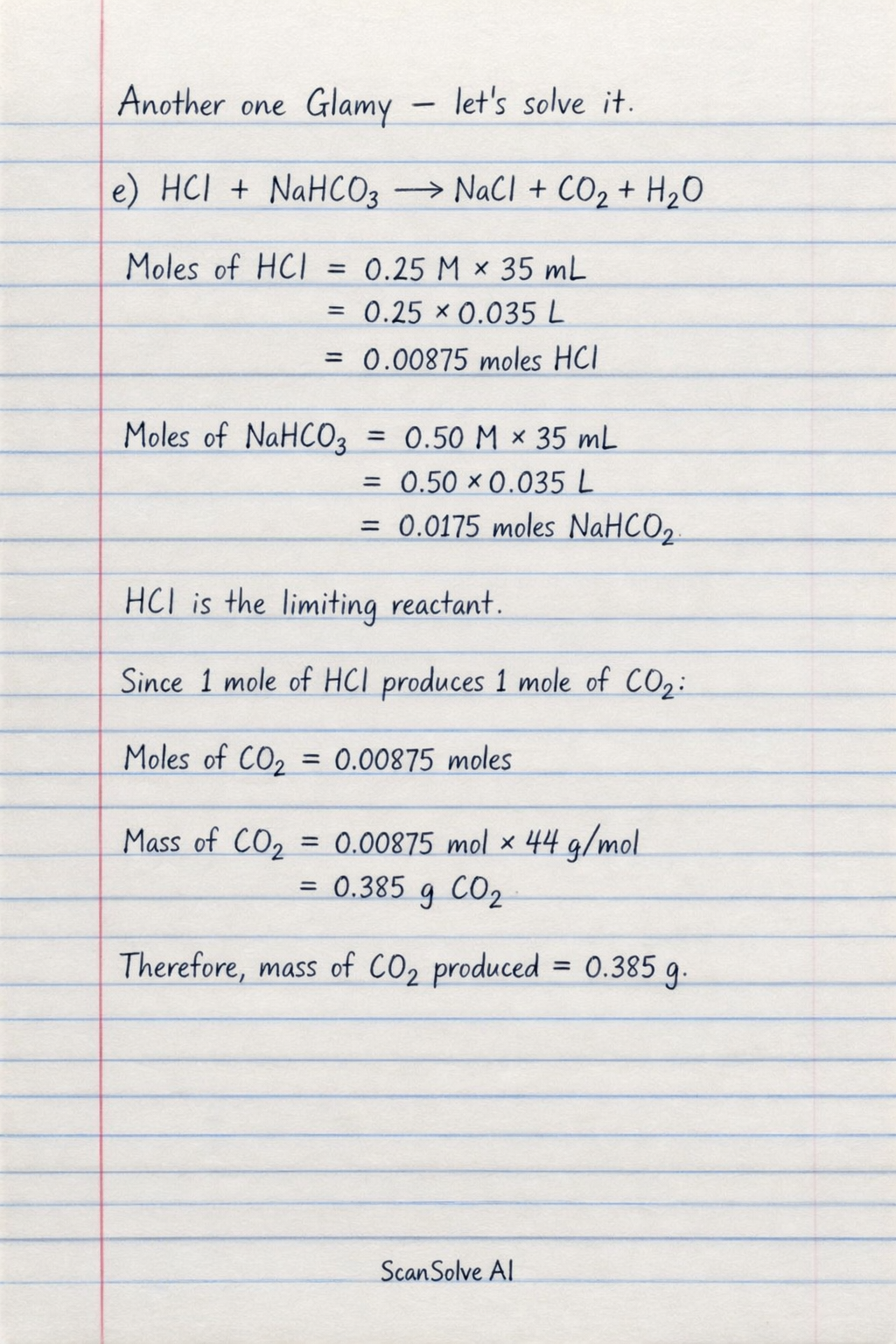
Handwritten Step-by-Step Solution
Get this as a handwritten image on WhatsApp — like a tutor wrote it for you.
Try on WhatsApp