
We read your photo as:
Explain the process of percolation, its underlying principles, advantages, and disadvantages.
ScanSolve AI Answer
Percolation is a process where a solvent continuously flows through a bed of solid material, typically in a conical percolator. Fresh solvent is added at the top, and the resulting extract is collected at the bottom until the solid material is fully exhausted of its soluble components. This method works by maintaining a concentration gradient, as the continuous flow constantly removes the dissolved solute, which in turn drives more solute out of the solid material into the solvent (improving mass transfer). Its advantages include being faster, more efficient, and requiring less solvent compared to some other extraction methods. However, it necessitates specialized apparatus, careful packed column preparation, and is not suitable for materials that swell significantly when exposed to the solvent.
Still stuck on this one?
Ask a follow-up, and the answer starts from this question.
More Chemistry Questions
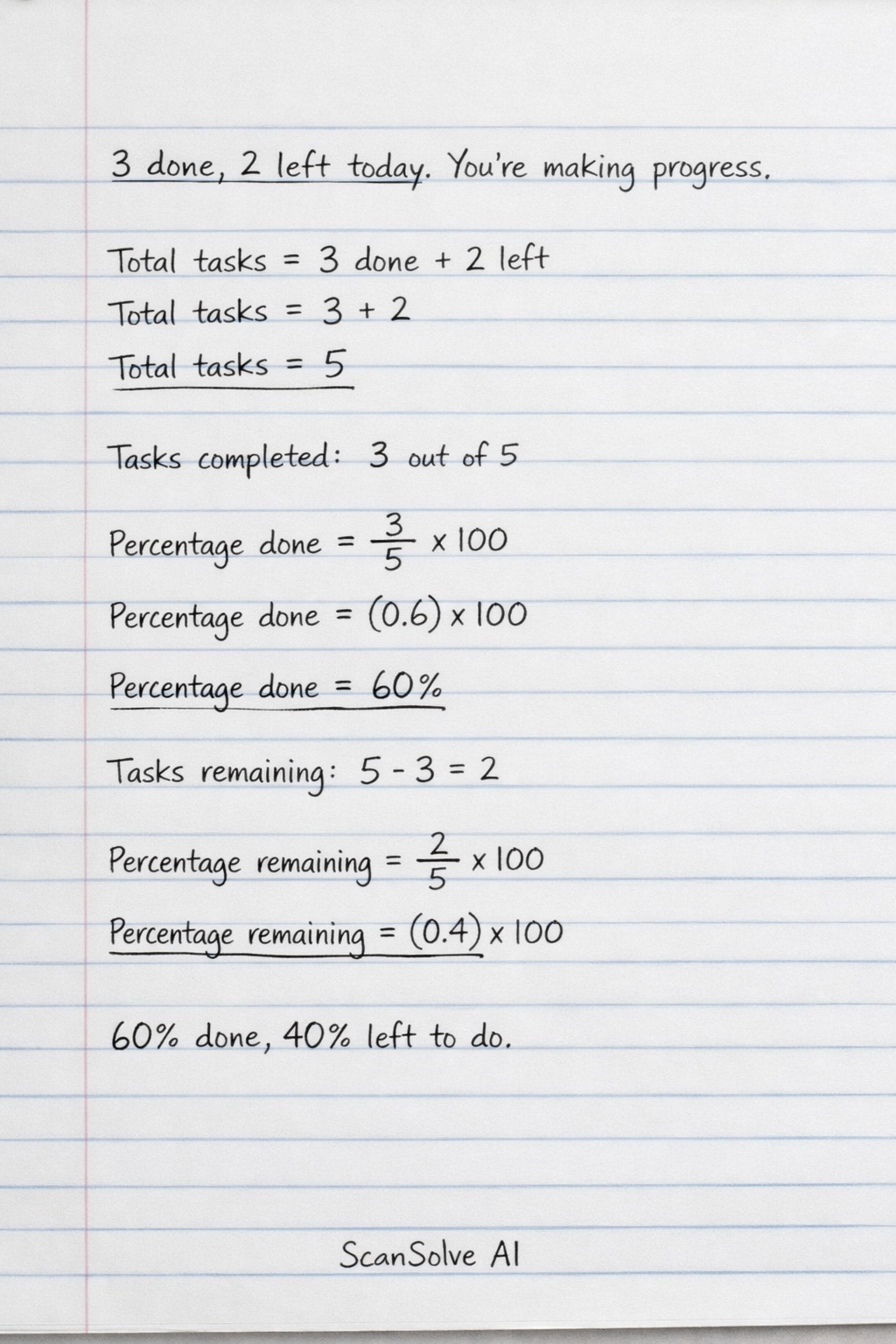
Handwritten Step-by-Step Solution
Get this as a handwritten image on WhatsApp — like a tutor wrote it for you.
Try on WhatsApp