
We read your photo as:
Explain the concepts of short run and long run in economics.
ScanSolve AI Answer
Here's the explanation of "short run" and "long run" in economics:
In economics, the terms short run and long run refer to time horizons over which firms can adjust their inputs, not specific calendar periods.
-
Short Run: The short run is a period of time during which at least one factor of production is fixed (cannot be changed), while others are variable. Typically, capital (like factory size or machinery) is considered fixed in the short run, while labor and raw materials are variable. Firms can increase or decrease output by changing only their variable inputs.
-
Long Run: The long run is a period of time during which all factors of production are variable. In the long run, a firm can change its scale of operations, build new factories, purchase new machinery, or even exit the industry. There are no fixed costs in the long run, as all inputs can be adjusted.
Still stuck on this one?
Ask a follow-up, and the answer starts from this question.
More Economics Questions
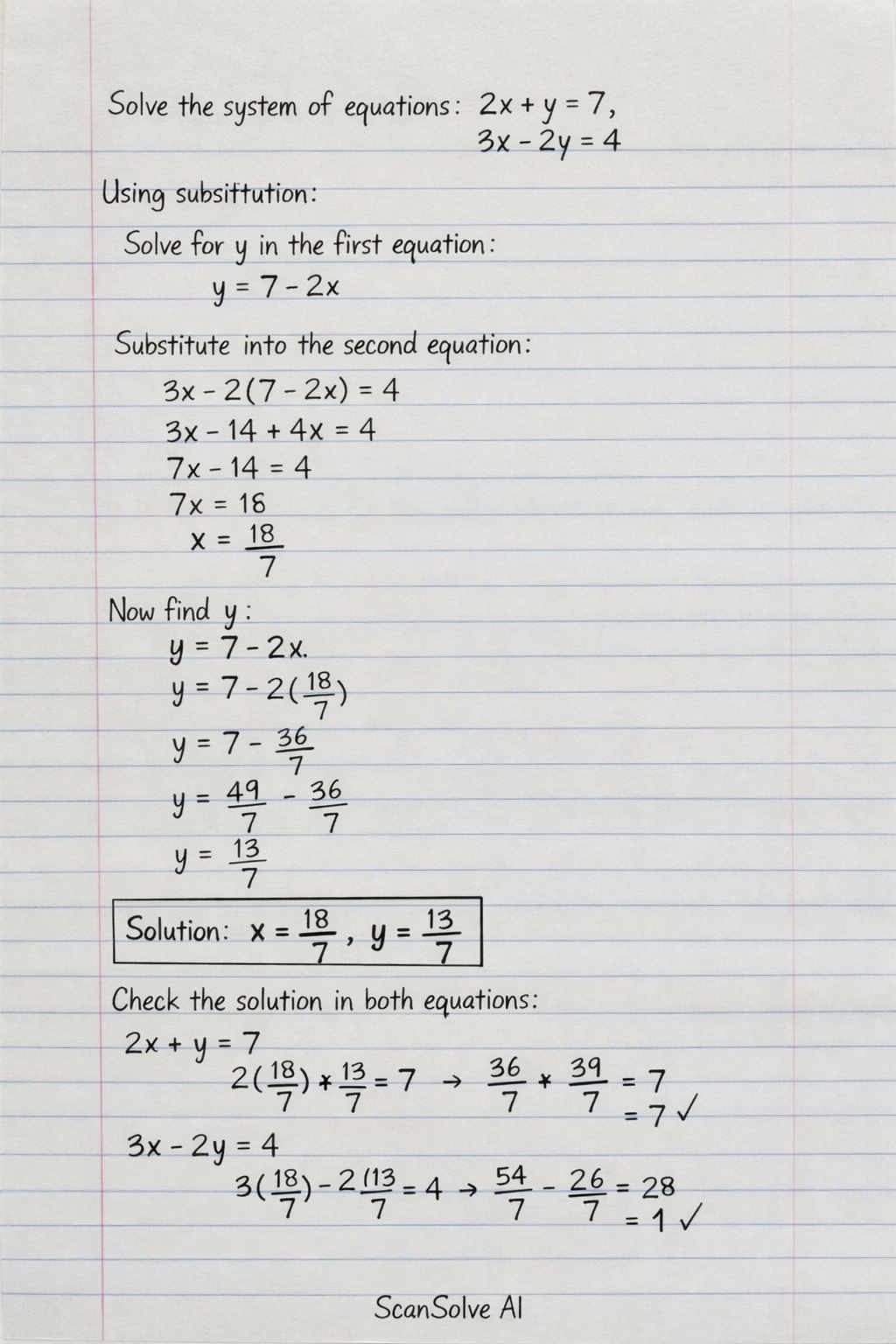
Handwritten Step-by-Step Solution
Get this as a handwritten image on WhatsApp — like a tutor wrote it for you.
Try on WhatsApp