
Computer Science Homework Help
Step-by-step AI solutions. Ask your own question →
Computer Science Questions

What is animation and transition on a computer and what is the difference
View SolutionHuman activities and natural process drives a combination into interconnected environmental challenges. Who made this st…
View SolutionDiscuss the relevant examples two ICT tools that can apply in educational research B) clearly explain one emerging techn…
View SolutionThe question asks for the definition of "the network of organisations involved in the creation and delivery of products…
View SolutionWhat could be the money required to start medium hardware business in uganda
View Solution
If you are experiencing connection problems, please send us a report so we can resolve this issue for you quicker.
View SolutionAlright baby Lions 😂😂❤️ let's go 🌚🌚 🤓🤓 You are fixing a patient monitor at Bamenda Regional Hospital. The ward is…
View Solution
The installation of system software and application software for a single-user personal computer.
View Solution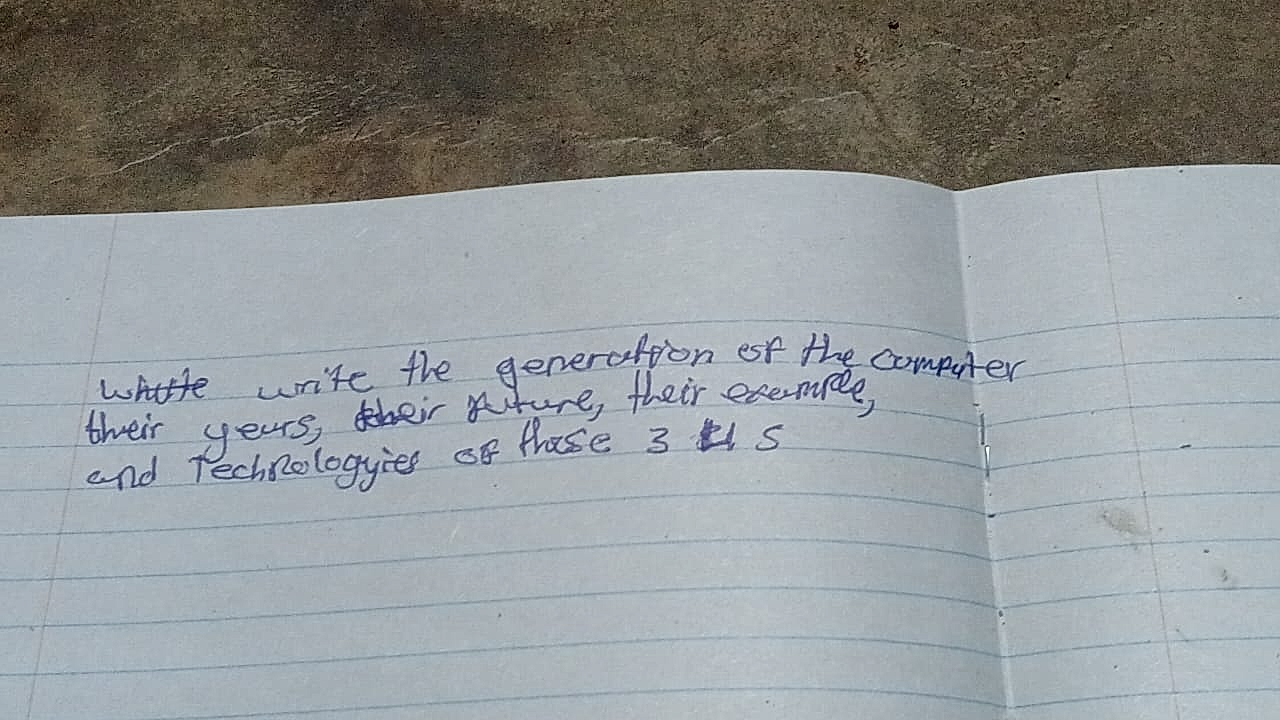
Write the generation of the computer, their years, their future, their example, and technologies of those 3rd and 5th ge…
View Solution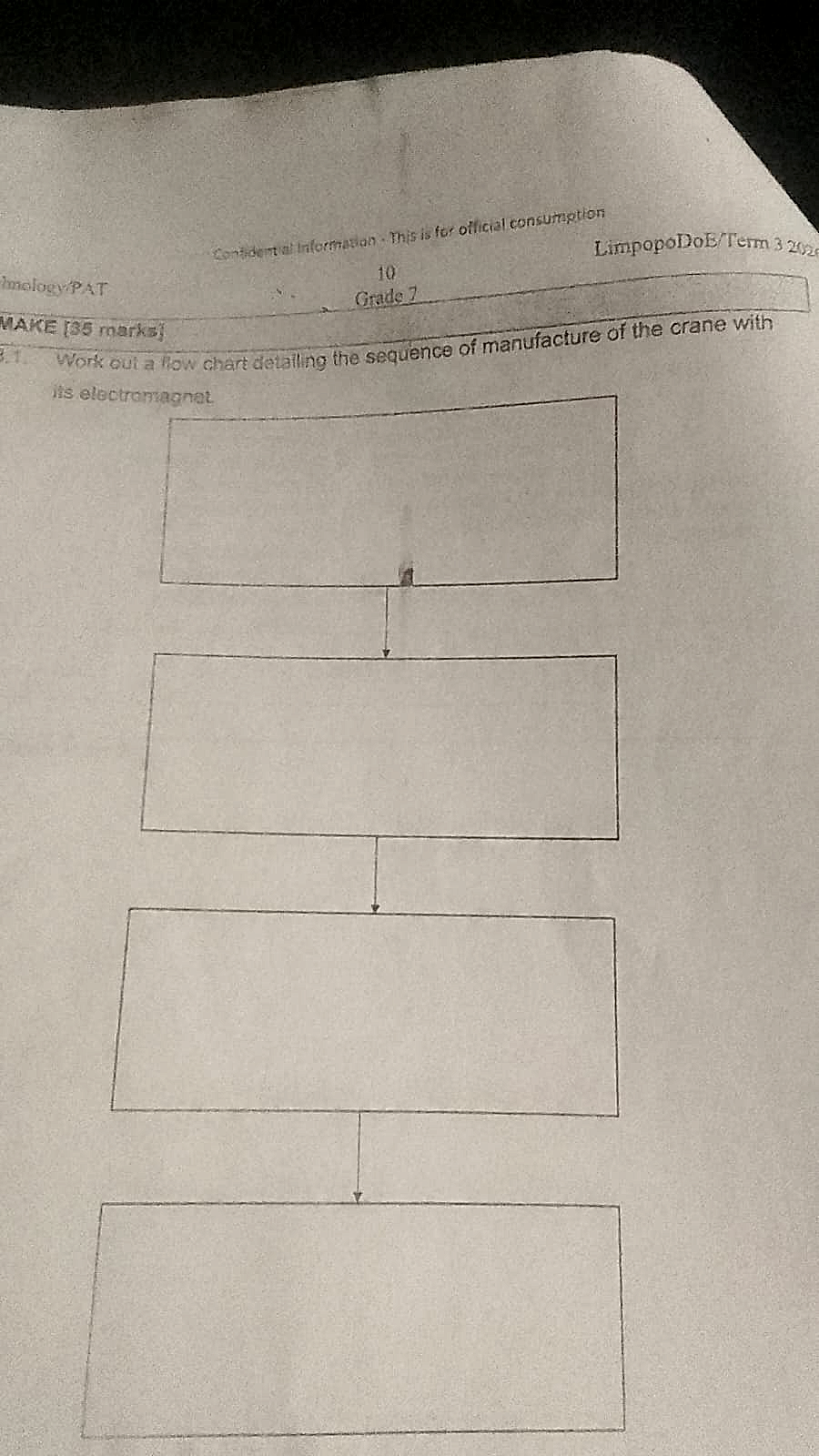
Work out a flow chart detailing the sequence of manufacture of the crane with its electromagnet.
View SolutionList ten rules that every computer user should obey Full meaning of FRSC, EFCC, NSCDC, NEMA, SON, NAFDAC, NDLEA, NIS, NI…
View Solution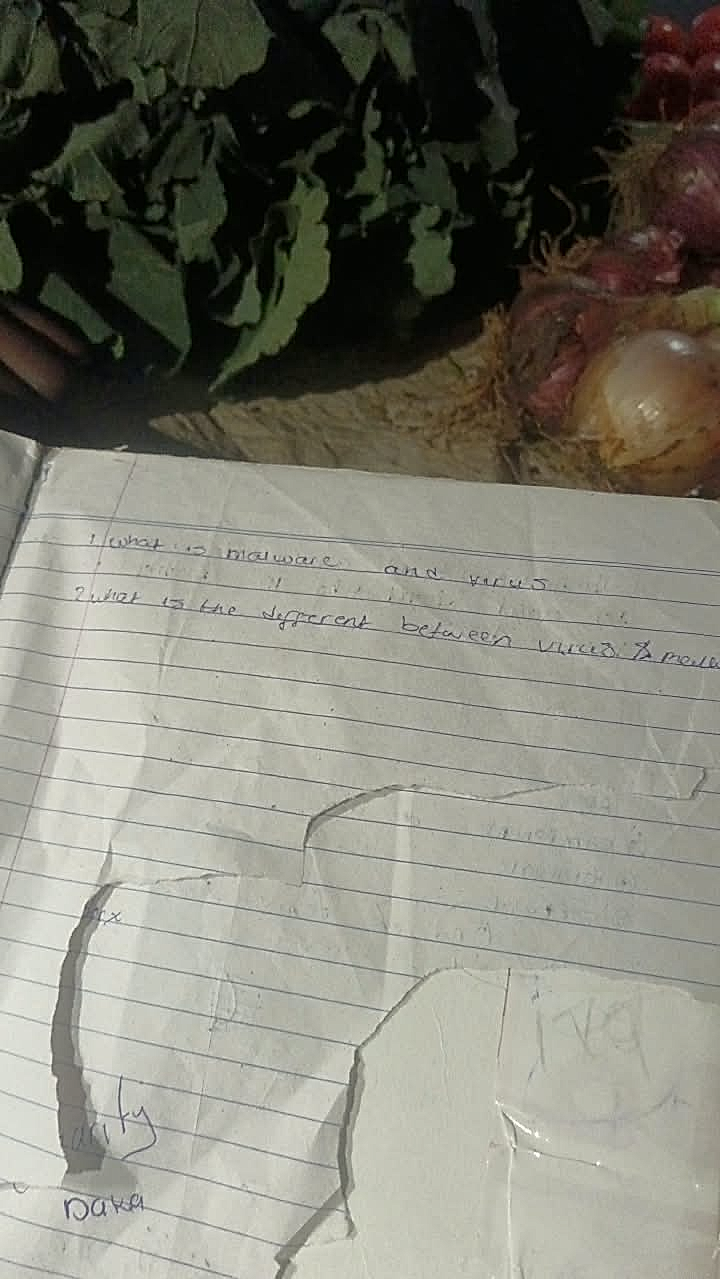
What is malware and virus. 2. What is the different between virus & malware.
View Solution
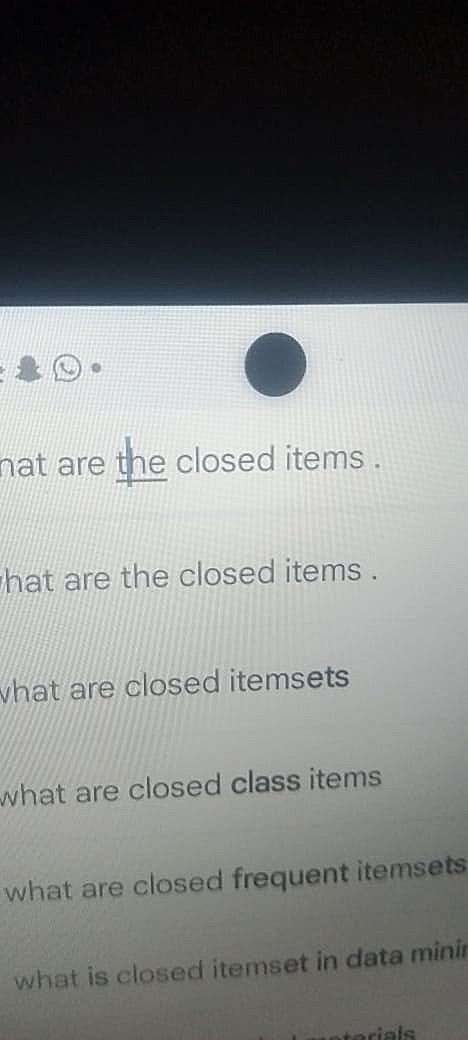
hat are the closed items . what are the closed items . what are closed itemsets what are closed class items what are clo…
View Solution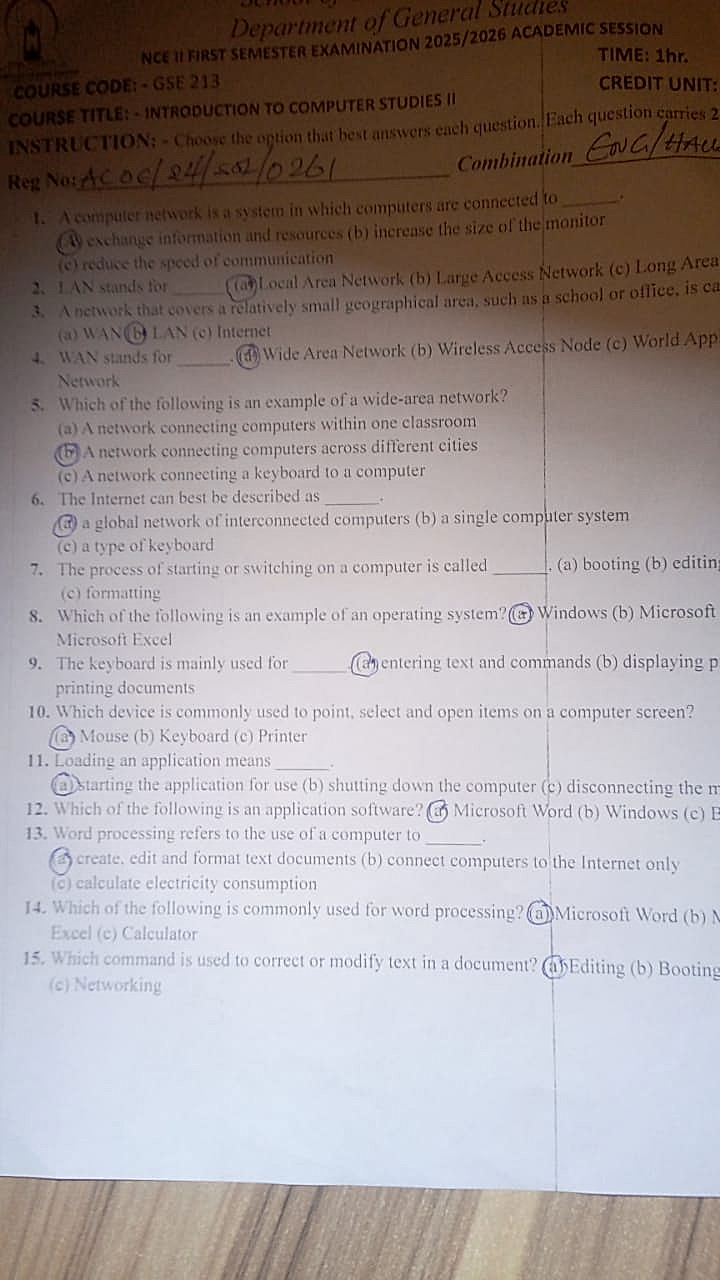
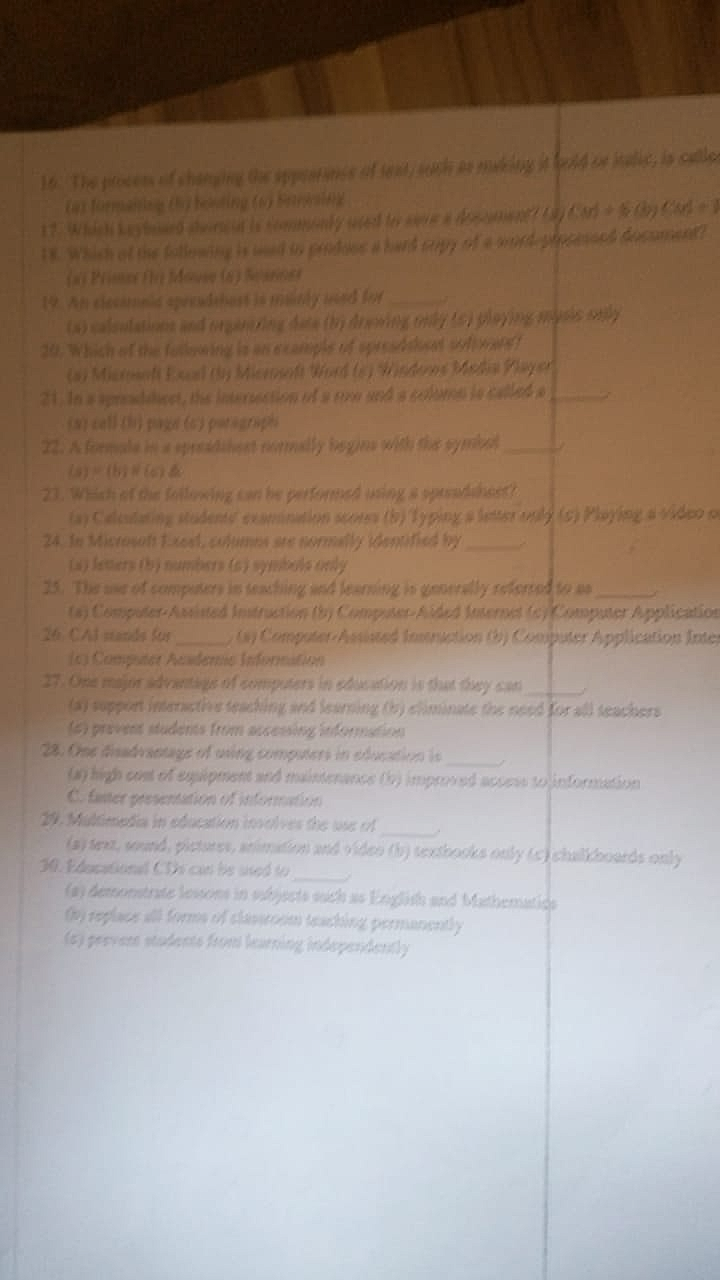
The process of changing the appearance of text, such as making it bold or italic, is called ________? (a) formatting (b)…
View SolutionAbout Computer Science
Computer science is the study of computation, algorithms, data structures, and the design of software systems. It combines mathematical reasoning with practical engineering to solve problems ranging from sorting a list of names to training machine learning models. Strong CS fundamentals — loops, recursion, complexity analysis — are the foundation for every programming career and technical interview.
Popular Topics in Computer Science
Data Structures
Arrays, linked lists, stacks, queues, hash tables, trees, and graphs — when to use each and their time complexities.
Algorithms
Sorting (merge sort, quicksort), searching (binary search), dynamic programming, greedy algorithms, and graph traversal.
Object-Oriented Programming
Classes, inheritance, polymorphism, encapsulation, and design patterns for clean, maintainable code.
Recursion
Base cases, recursive calls, stack frames, memoization, and converting recursive solutions to iterative ones.
Big-O Analysis
Time and space complexity, best/average/worst case analysis, and comparing algorithm efficiency.
Databases & SQL
Relational models, SELECT queries, JOINs, normalization, indexing, and transaction isolation.
Web Development
HTML, CSS, JavaScript, HTTP, REST APIs, client-server architecture, and frontend frameworks.
Python Programming
Syntax fundamentals, list comprehensions, file I/O, libraries (NumPy, pandas), and scripting for automation.
Operating Systems
Processes, threads, scheduling, memory management, file systems, and concurrency control.
Machine Learning Basics
Supervised vs. unsupervised learning, regression, classification, neural network fundamentals, and model evaluation.
How ScanSolve Helps with Computer Science
ScanSolve analyzes your computer science problem and produces a solution that explains both the code and the reasoning behind it. For algorithm questions, it describes the approach, walks through the logic step by step, and explains the time and space complexity of the solution.
For programming assignments, ScanSolve reads your code or problem description, identifies the correct data structures and techniques, and shows how to implement them cleanly. It explains why certain design choices are better — for example, why a hash map gives O(1) lookup versus O(n) for a list scan.
Whether you are debugging a segfault, optimizing a slow query, or working through a theory problem on automata, ScanSolve gives you the structured explanation a teaching assistant would provide during office hours.
Study Tips for Computer Science
Write code by hand on paper before typing it. This forces you to think through logic carefully and prepares you for whiteboard-style interview questions.
After solving a problem, analyze its time and space complexity. Making Big-O analysis a habit will sharpen your algorithm intuition.
Build small projects that use the concepts you are learning. A to-do app teaches CRUD and state management; a pathfinding visualizer teaches graph algorithms. Applied practice sticks.
Read other people's code. Open-source projects, LeetCode discussions, and textbook solutions expose you to different approaches and coding styles.
Get Computer Science Help on WhatsApp
Send a photo of your computer science homework and get step-by-step solutions instantly. No app download needed.
Message Us on WhatsAppFrequently Asked Computer Science Questions
What is Big O notation?
Big O describes algorithm efficiency as input grows. O(n) is linear, O(n²) is quadratic, O(log n) is logarithmic. Lower is faster.
What is the difference between a stack and a queue?
A stack is LIFO (last in, first out) — like a stack of plates. A queue is FIFO (first in, first out) — like a line at a store.
How does recursion work?
A recursive function calls itself with a smaller input until it hits a base case. Every recursive solution needs a base case to avoid infinite loops.
How can ScanSolve help with Computer Science homework?
ScanSolve's AI solves computer science problems step by step. Snap a photo of your homework or type your question to get instant, detailed solutions with clear explanations.
Is Computer Science homework help free on ScanSolve?
Yes, ScanSolve offers free computer science homework help with step-by-step solutions. Upgrade to Pro at $89.99/year (about $7.50/month) or $9.99/week for unlimited answers and priority support.
Computer Science Study Guides & Articles
How to Start Learning Programming: A Complete Beginner's Guide
Learn how to start programming from scratch. This beginner's guide covers choosing a language, key concepts, and practical tips to write your first code.
Computer ScienceWhat Is an Algorithm? Simple Explanation with Examples
Understand what an algorithm is with simple, real-world examples. Learn how algorithms work, why they matter, and how to write your own step by step.
GeographyTypes of Maps Explained: Physical, Political, Topographic & More
Learn about different types of maps including physical, political, topographic, and thematic maps. Understand when to use each type with clear examples.
More in Computing & Engineering
Explore More Subjects
Have a Computer Science question?
Get an instant AI-powered step-by-step solution in seconds.