
Biology Homework Help
Step-by-step AI solutions. Ask your own question →
Biology Questions

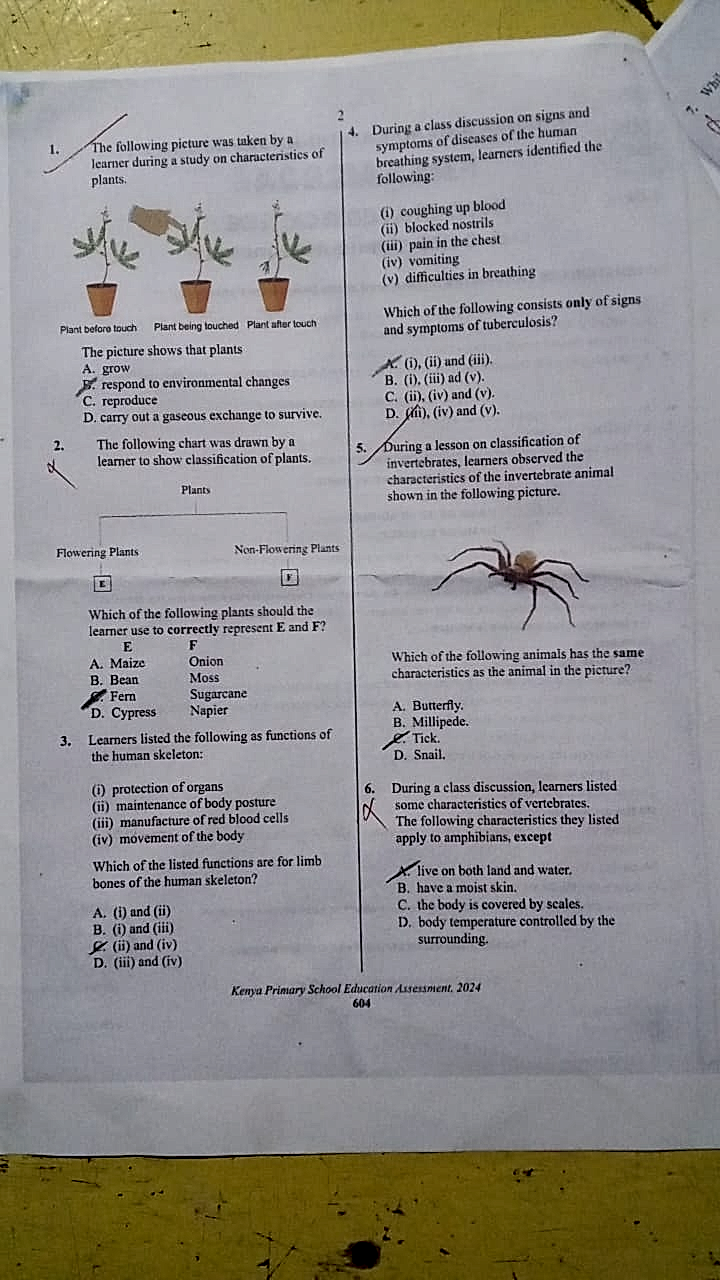
Which of the following plants should the learner use to correctly represent E and F?
View Solutionexplain the evolution of ICT and their influence on education b) Discuss the major components of an ICT C) examine the r…
View Solution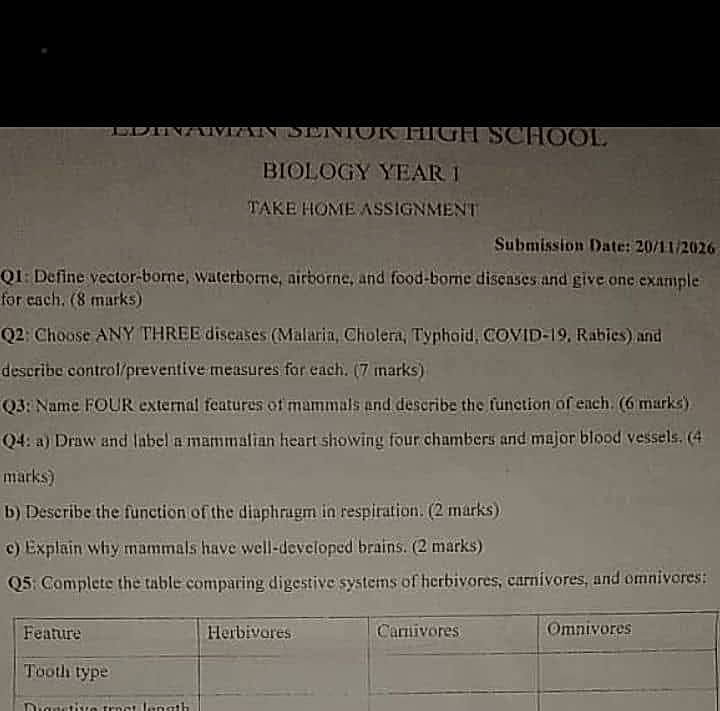
Define vector-borne, waterborne, airborne, and food-borne diseases and give one example for each.
View Solution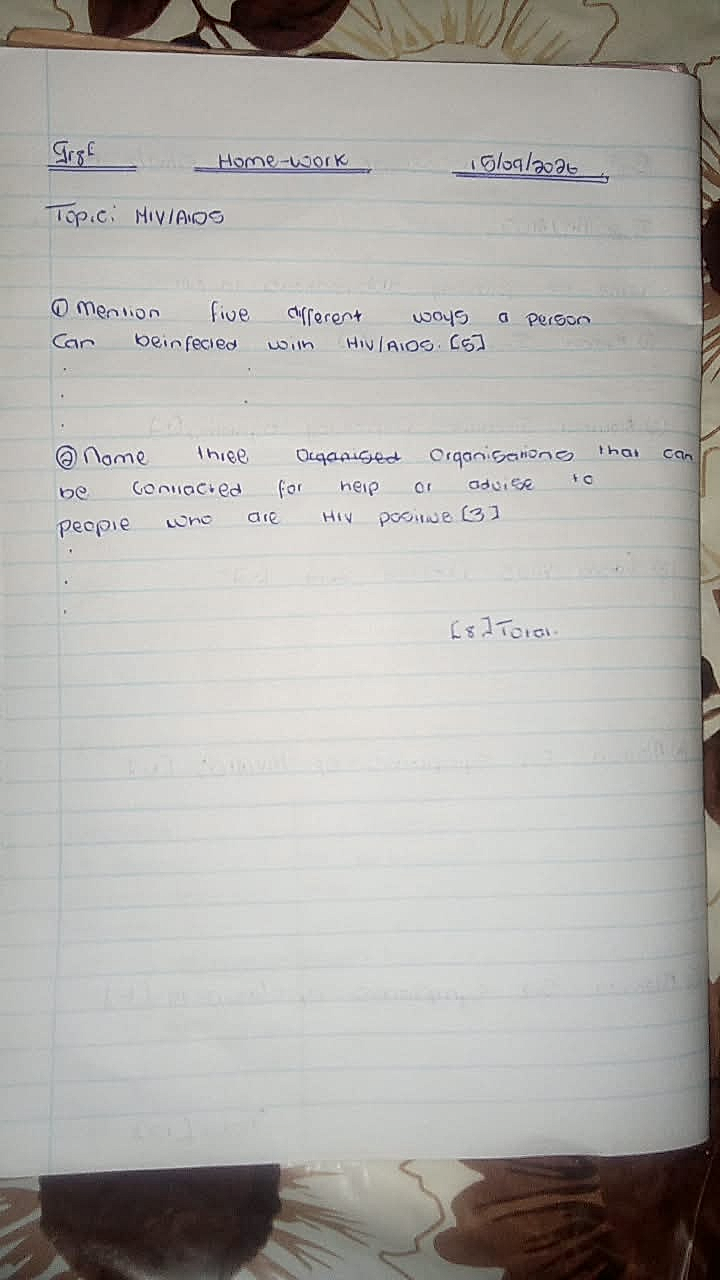
Mention five different ways can be infected with HIV/AIDS. Name three organised organisations that can be contacted for…
View Solution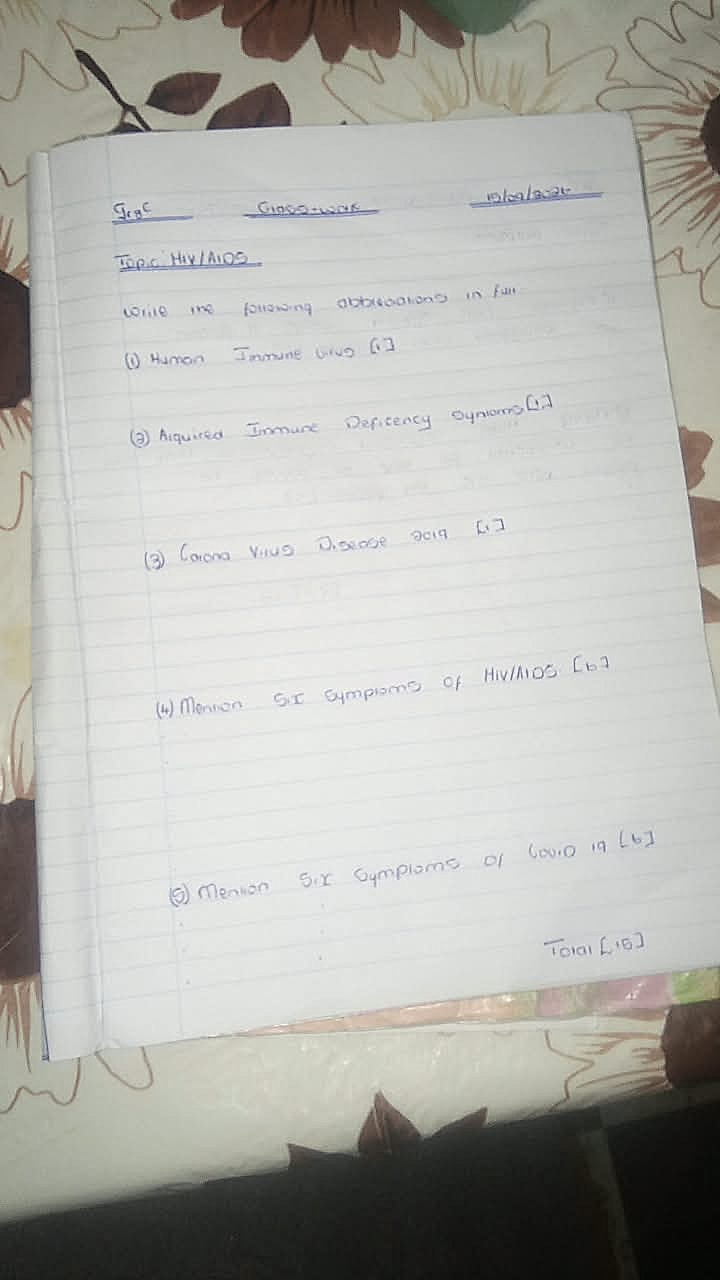
Write the following abbreviations in full: (1) Human Immune Virus [?] (2) Aquired Immune Deficiency Syndrome [?] (3) Cor…
View SolutionSpecies Description (10 Points) Describe your invasive species. Include: What it looks like Whether it is a plant or ani…
View Solution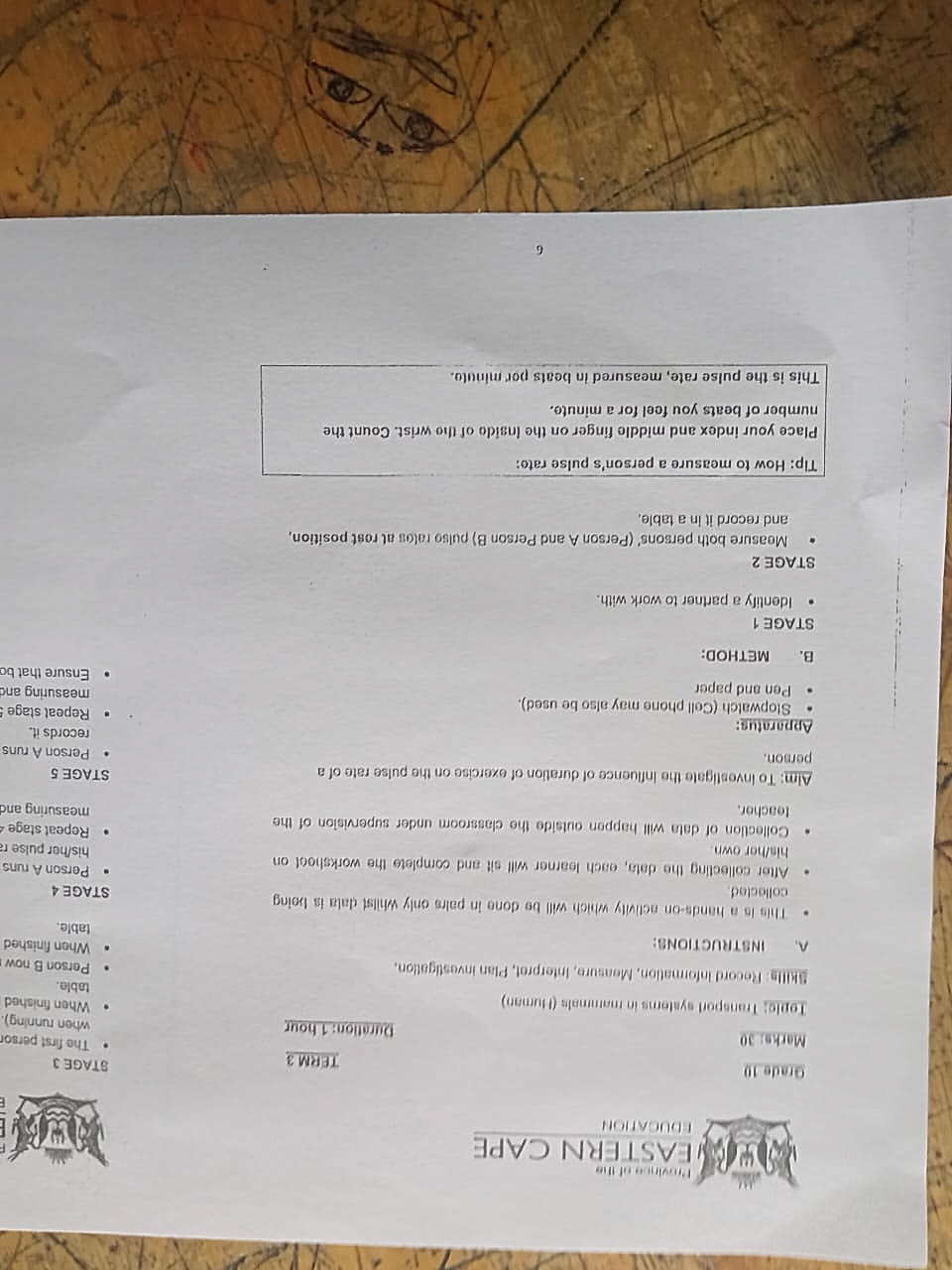
Investigate the influence of duration of exercise on the pulse rate of a person. (Describe method and apparatus)
View Solution
Feature Prokaryotic Eukaryotic Nucleus No true nucleus True nucleus Nuclear membrane Absent Present Genetic material Mai…
View Solution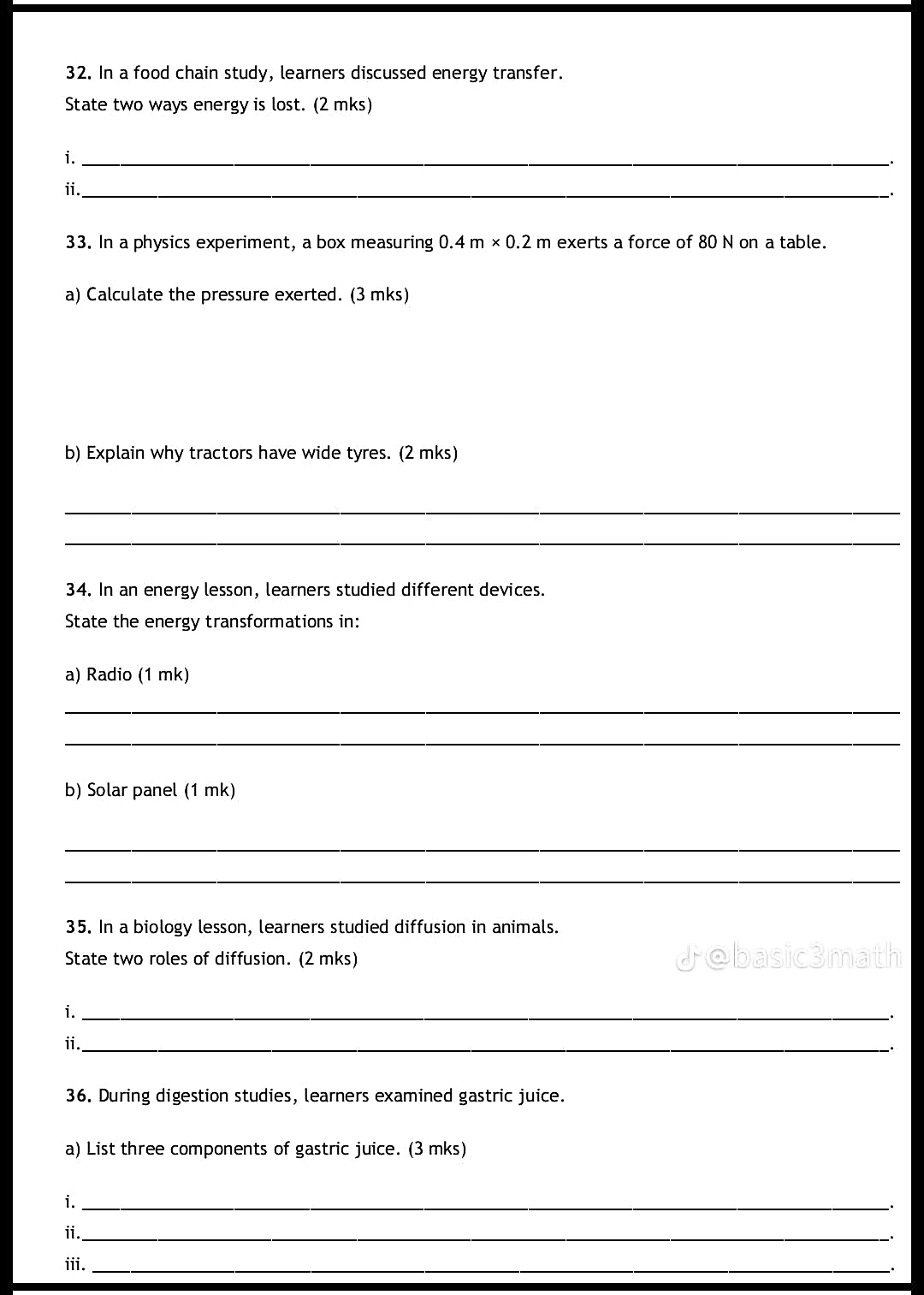
In a food chain study, learners discussed energy transfer. State two ways energy is lost.
View Solution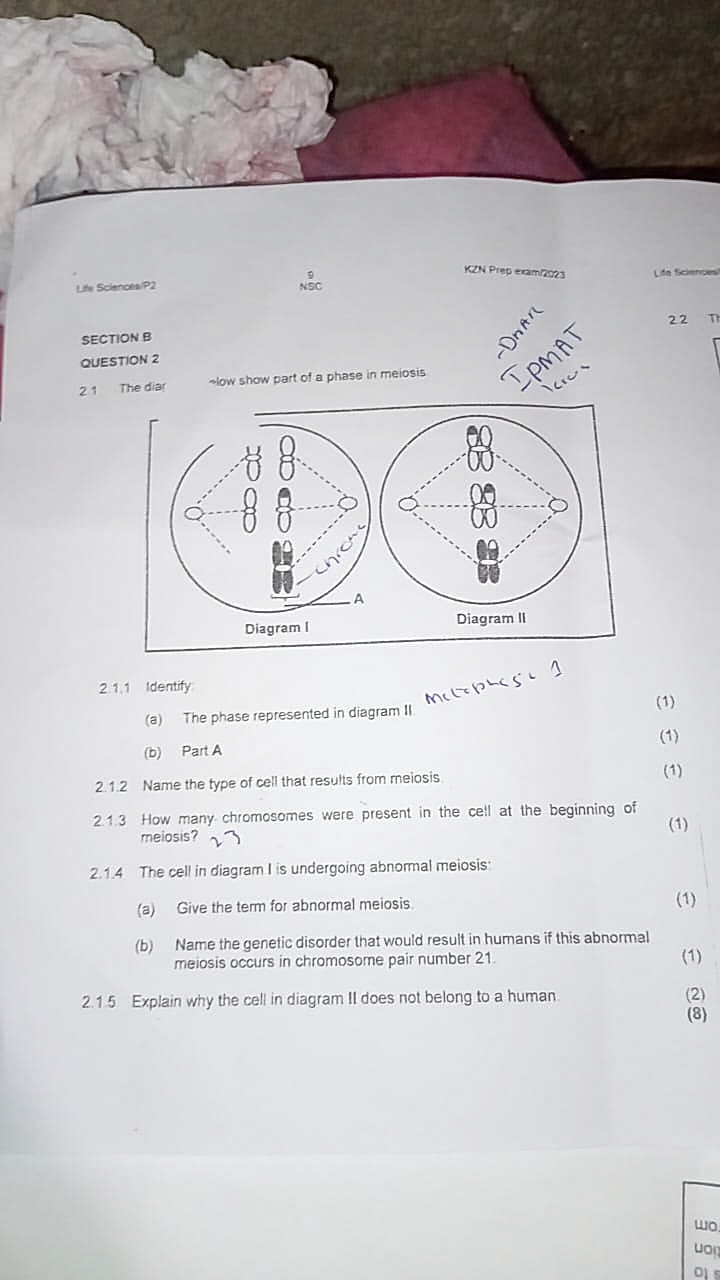
About Biology
Biology is the science of life, spanning molecular genetics to ecosystem ecology. Understanding biology means grasping how organisms grow, reproduce, respond to their environment, and evolve over time. Whether you are studying cell division for an AP exam or analyzing phylogenetic trees in college, biology rewards curiosity and systematic thinking about the living world.
Popular Topics in Biology
Cell Biology
Cell structure, organelles, membrane transport, cell signaling, and the differences between prokaryotic and eukaryotic cells.
Genetics & Heredity
Mendelian genetics, Punnett squares, linked genes, pedigree analysis, and non-Mendelian inheritance patterns.
DNA & Molecular Biology
DNA replication, transcription, translation, gene regulation, and biotechnology techniques like PCR and CRISPR.
Evolution
Natural selection, genetic drift, speciation, phylogenetics, Hardy-Weinberg equilibrium, and evidence for evolution.
Ecology
Population dynamics, community interactions, energy flow, biogeochemical cycles, and conservation biology.
Human Anatomy & Physiology
Organ systems, homeostasis, the nervous system, endocrine signaling, and immune responses.
Photosynthesis & Respiration
Light reactions, the Calvin cycle, glycolysis, the Krebs cycle, oxidative phosphorylation, and ATP yield.
Mitosis & Meiosis
Stages of cell division, chromosome behavior, crossing over, independent assortment, and their significance.
Plant Biology
Plant structure, vascular transport, tropisms, hormones, and reproductive strategies in angiosperms.
Microbiology
Bacteria, viruses, fungi, immune defense mechanisms, and the role of microorganisms in disease and ecology.
How ScanSolve Helps with Biology
ScanSolve interprets your biology questions — whether they involve genetics crosses, metabolic pathways, or ecological calculations — and provides answers with clear, detailed explanations. For genetics problems, it sets up Punnett squares, calculates phenotype ratios, and explains the biological reasoning behind each cross.
For molecular biology, ScanSolve traces processes like transcription and translation step by step, identifying the role of each enzyme and the significance of each stage. For ecology and evolution, it applies quantitative models like Hardy-Weinberg and logistic growth, showing how to plug in values and interpret results.
The goal is not just to give you the answer but to help you see how biological concepts connect — which is essential for essay questions and lab reports.
Study Tips for Biology
Use concept maps to link topics. Biology is highly interconnected — understanding how cell respiration connects to ecology connects to evolution helps you answer synthesis questions.
Draw and label diagrams from memory. Reproducing a mitosis diagram or a metabolic pathway without looking at notes is one of the most effective study techniques in biology.
For genetics, practice a wide variety of crosses including dihybrid, sex-linked, and incomplete dominance. Pattern recognition comes from volume.
Read primary sources or summaries of key experiments (Mendel, Meselson-Stahl, Miller-Urey). Understanding how scientists reached conclusions deepens your grasp of the concepts.
Get Biology Help on WhatsApp
Send a photo of your biology homework and get step-by-step solutions instantly. No app download needed.
Message Us on WhatsAppFrequently Asked Biology Questions
What is the difference between mitosis and meiosis?
Mitosis produces two identical diploid cells for growth and repair. Meiosis produces four genetically unique haploid cells for reproduction.
What is DNA replication?
DNA replication is the process where a cell copies its DNA before division. The double helix unwinds and each strand serves as a template for a new complementary strand.
How does photosynthesis work?
Photosynthesis converts sunlight, water, and CO₂ into glucose and oxygen. It occurs in chloroplasts via the light reactions and Calvin cycle.
How can ScanSolve help with Biology homework?
ScanSolve's AI solves biology problems step by step. Snap a photo of your homework or type your question to get instant, detailed solutions with clear explanations.
Is Biology homework help free on ScanSolve?
Yes, ScanSolve offers free biology homework help with step-by-step solutions. Upgrade to Pro at $89.99/year (about $7.50/month) or $9.99/week for unlimited answers and priority support.
Biology Study Guides & Articles
Photosynthesis Explained Step by Step: How Plants Make Food
Understand photosynthesis step by step. Learn the light reactions, Calvin cycle, and how plants convert sunlight into energy. Perfect for biology students.
BiologyCell Structure and Function: Organelles, Plant vs Animal Cells & Cell Membrane
Learn about cell structure and function including organelles, the cell membrane, and differences between plant and animal cells. Complete biology guide for students.
BiologyWhat Is DNA Replication? Steps, Enzymes & Leading vs Lagging Strand
Learn how DNA replication works step by step. Understand helicase, DNA polymerase, leading and lagging strands, Okazaki fragments, and proofreading mechanisms.
BiologyPhotosynthesis vs Cellular Respiration: Comparison, ATP & Energy Flow
Compare photosynthesis and cellular respiration side by side. Understand how ATP is made, energy flow in living systems, and how these processes are connected.
More in Science
Explore More Subjects
Have a Biology question?
Get an instant AI-powered step-by-step solution in seconds.