
Biochemistry Homework Help
Step-by-step AI solutions. Ask your own question →
Biochemistry Questions

Feature Prokaryotic Eukaryotic Nucleus No true nucleus True nucleus Nuclear membrane Absent Present Genetic material Mai…
View Solution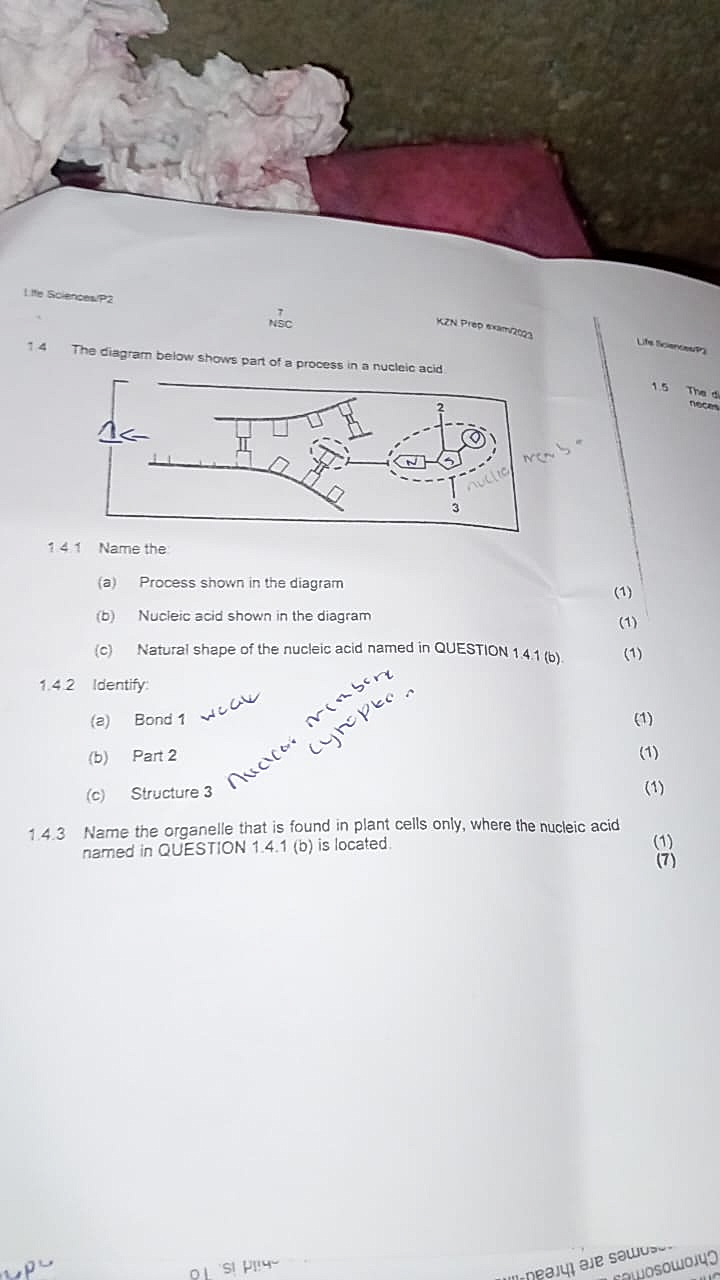
Name the organelle that is found in plant cells only, where the nucleic acid named in QUESTION 1.4.1 (b) is located.
View SolutionIs it possible for actrapid insulin of 16 unit to a patient with the blood glucose levels of 25mmol/L
View Solution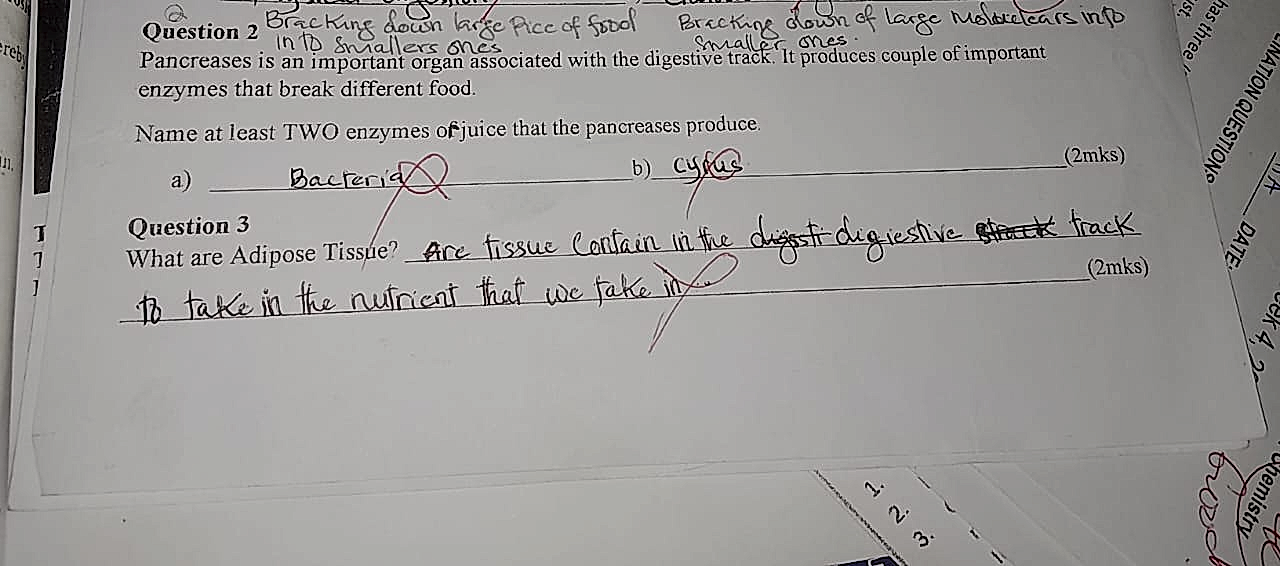
Name at least TWO enzymes of juice that the pancreas produce. What are Adipose Tissue?
View Solution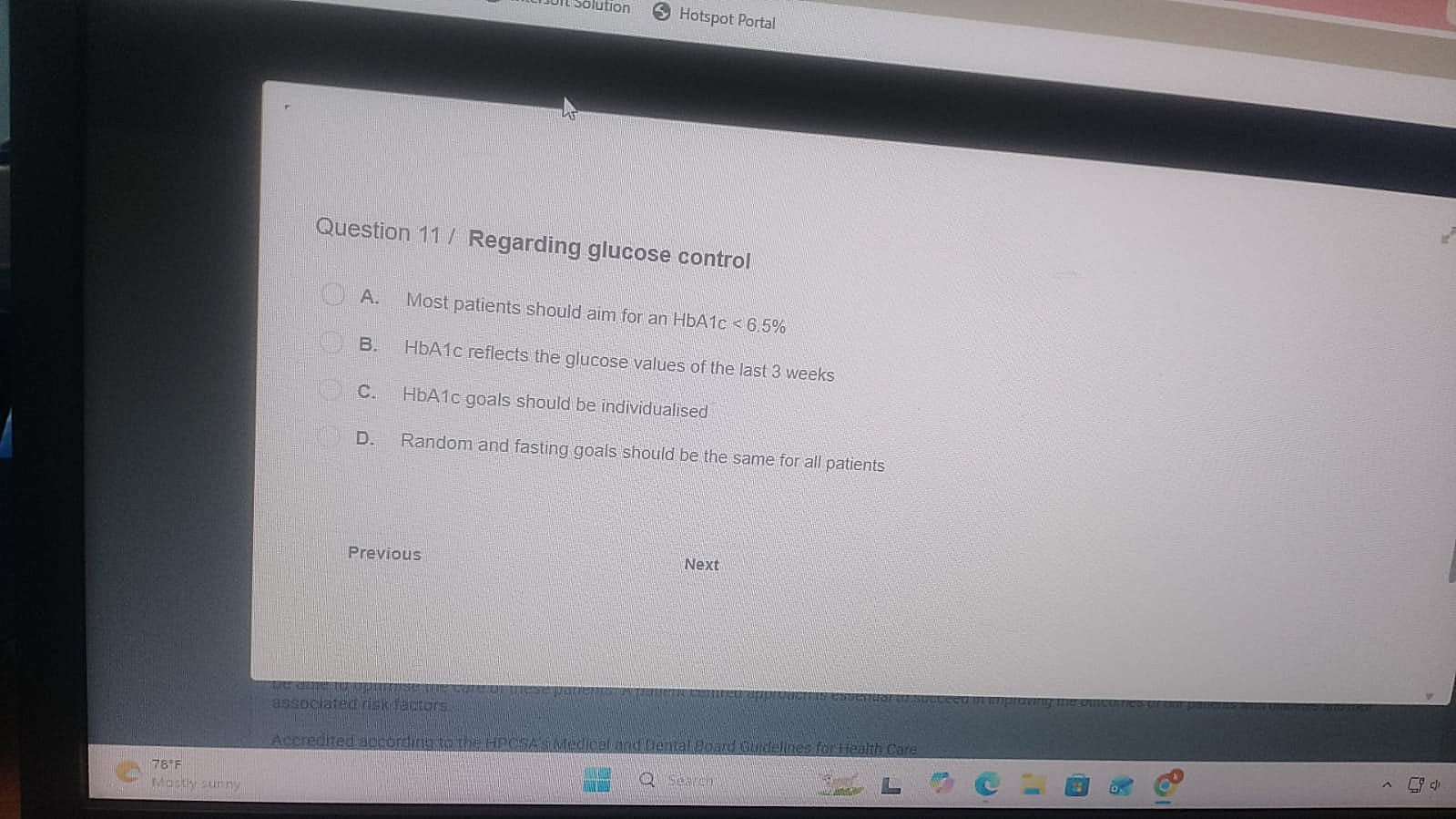
Regarding glucose control. Most patients should aim for an HbA1c < 6.5%. HbA1c reflects the glucose values of the last 3…
View Solution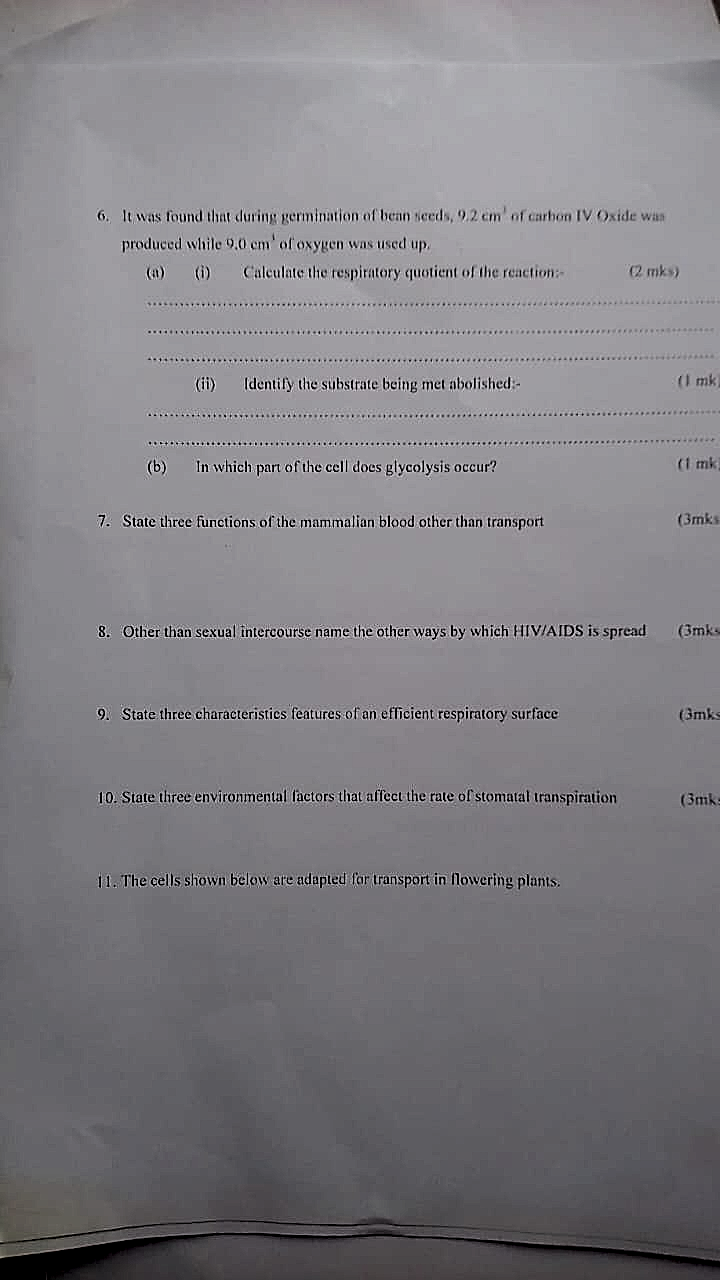
It was found that during germination of bean seeds, 9.2 cm³ of carbon IV Oxide was produced while 9.0 cm³ of oxygen was…
View Solution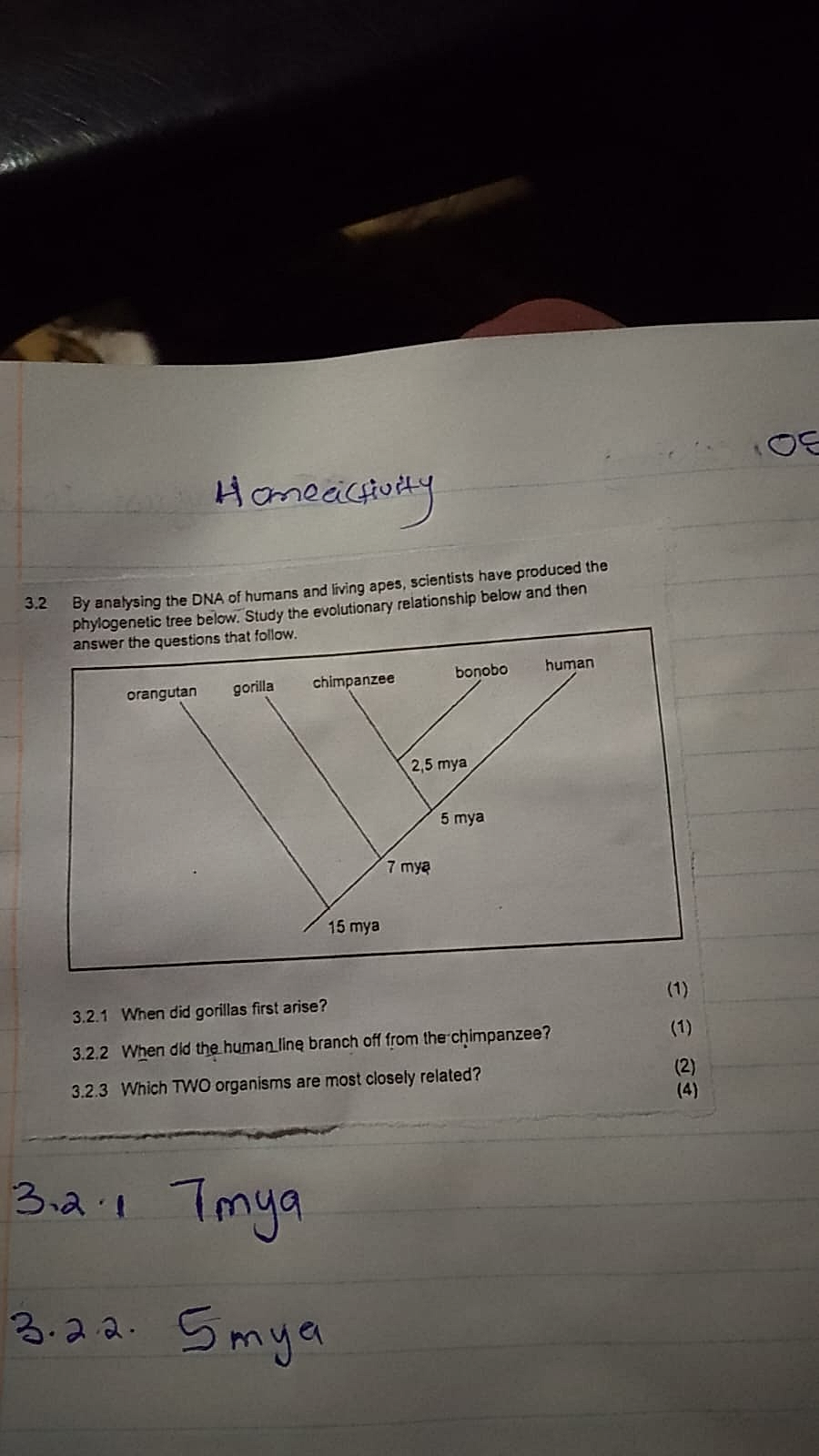
By analysing the DNA of humans and living apes, scientists have produced the phylogenetic tree below. Study the evolutio…
View SolutionWhat does the author believe optimists would do with human DNA? keep it on earth while nurturing people to protect their…
View Solution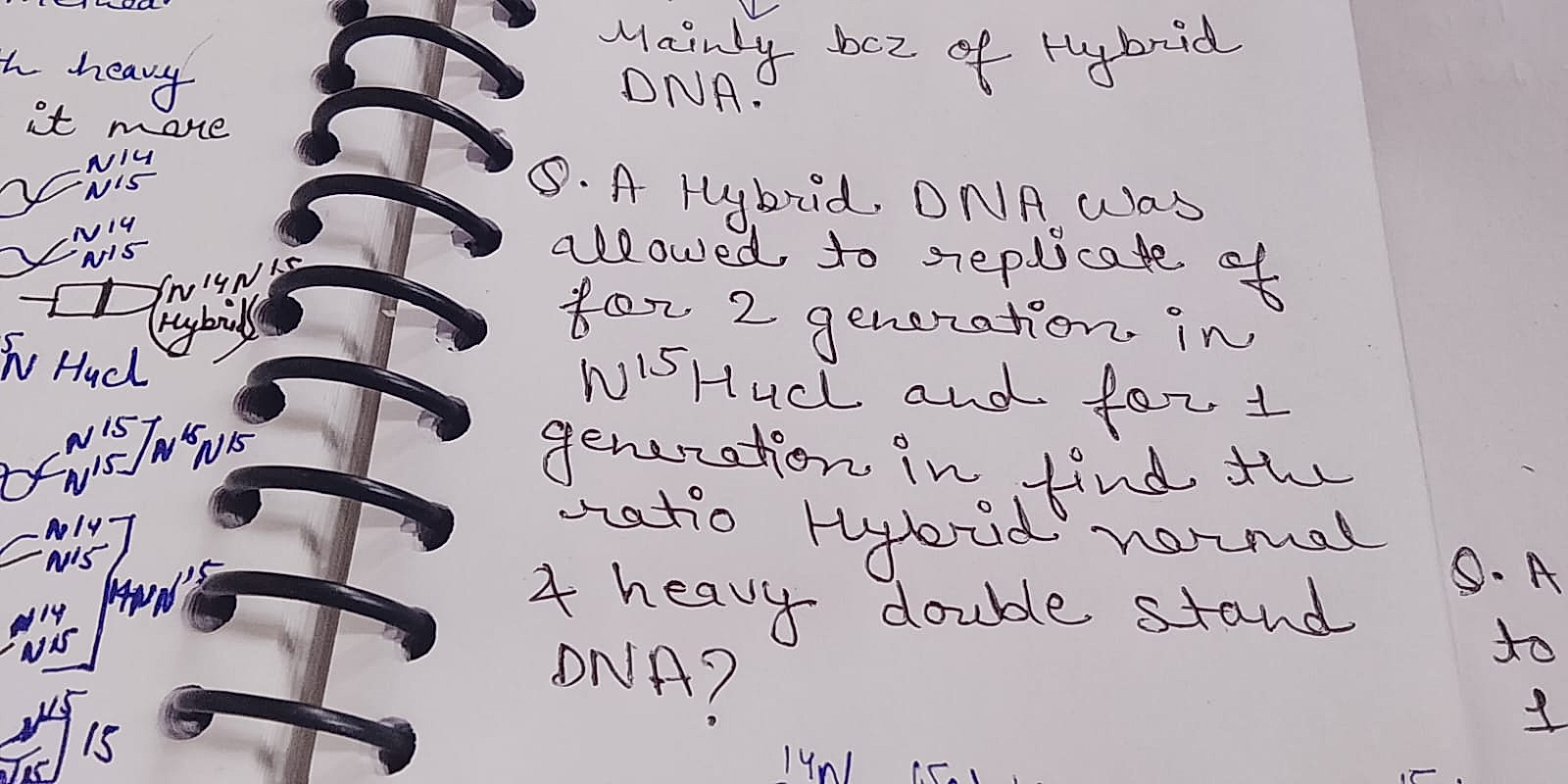
A Hybrid DNA was allowed to replicate of for 2 generation in N15 H4cl and for 1 generation in find the ratio Hybrid norm…
View Solution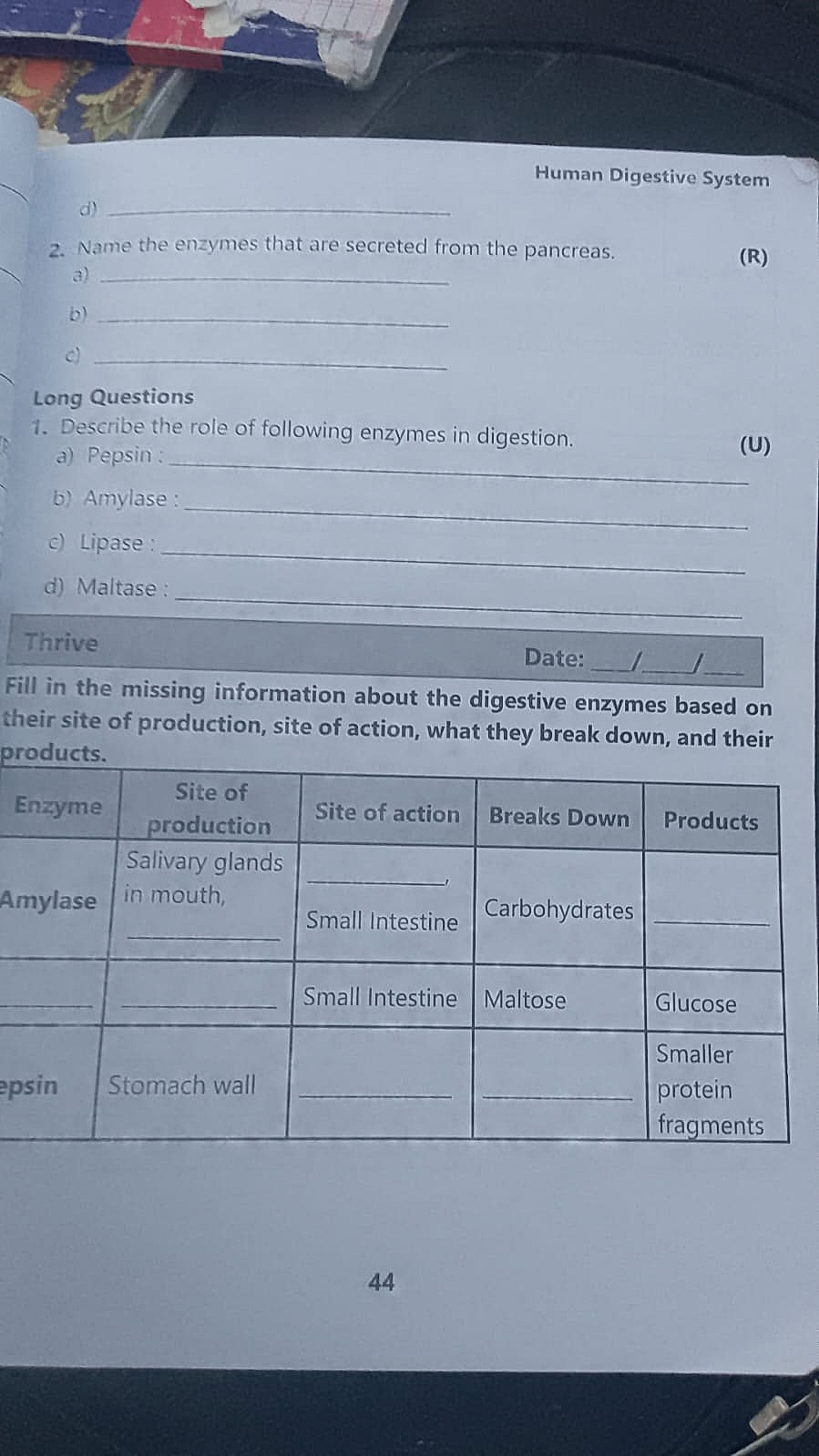
Fill in the missing information about the digestive enzymes based on their site of production, site of action, what they…
View Solution
Discuss factors that affect the rate of photosynthesis and the activities using the fluid mosaic model to explain how th…
View Solution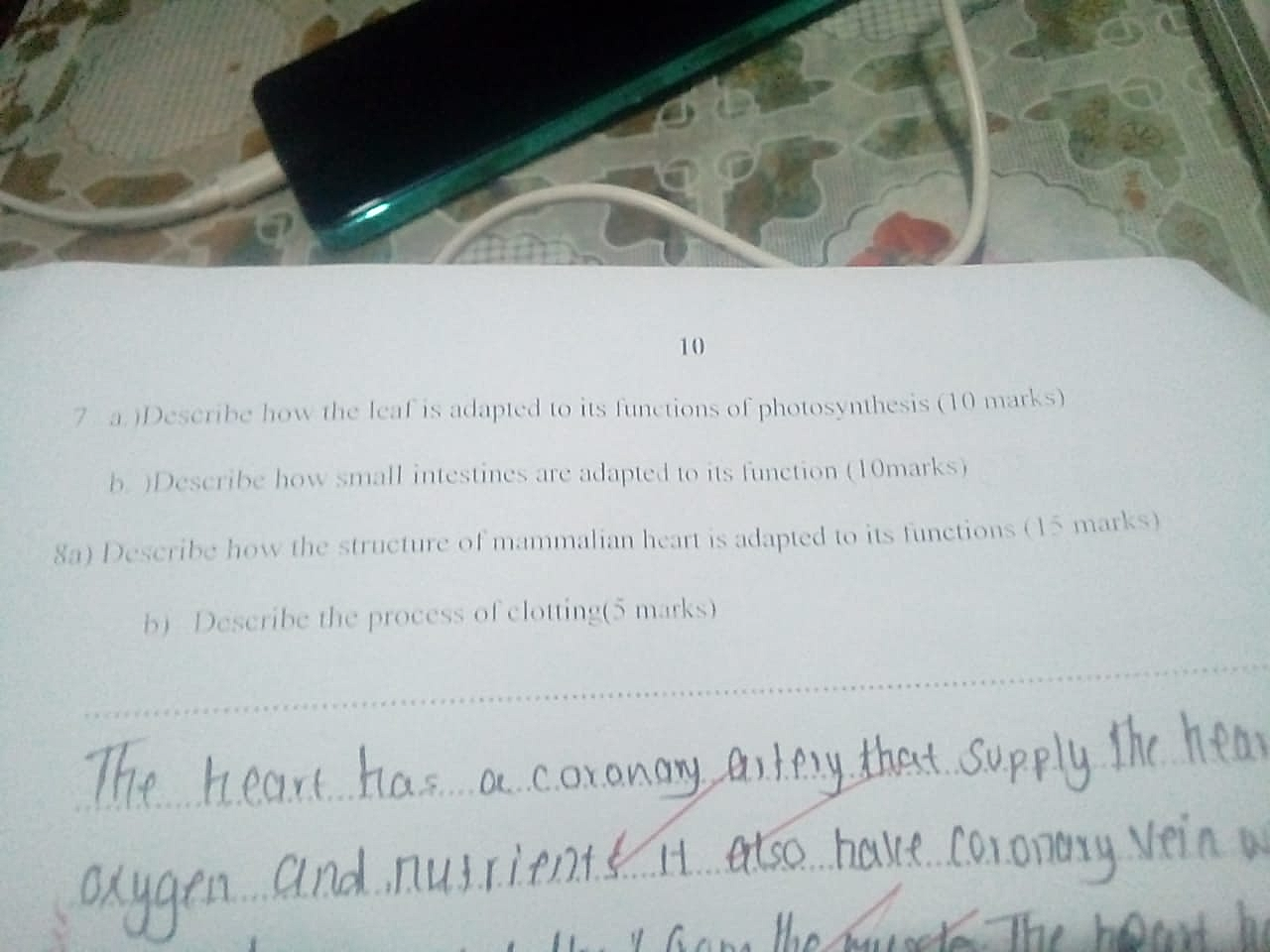
7 a.) Describe how the leaf is adapted to its functions of photosynthesis. b.) Describe how small intestines are adapted…
View SolutionAbout Biochemistry
Biochemistry is the chemistry of living things: the molecules cells are built from and the reactions that keep them running. The questions students bring here cluster around enzymes, photosynthesis and respiration, the four classes of biological molecule, food tests, and the energy currency that connects them all.
Popular Topics in Biochemistry
Enzymes
Active site and specificity, the effect of temperature and pH, inhibition, and enzymes as biological catalysts.
Photosynthesis
Light-dependent and light-independent stages, chloroplast structure, limiting factors, and testing a leaf for starch.
Respiration
Aerobic and anaerobic respiration, glycolysis and the Krebs cycle, ATP yield, and oxygen debt.
Proteins & Amino Acids
Peptide bonds, primary to quaternary structure, denaturation, and the functions proteins carry out.
Carbohydrates & Lipids
Monosaccharides to polysaccharides, glycosidic and ester bonds, and why fats store more energy than sugars.
Nucleic Acids
DNA and RNA structure, base pairing, replication and the flow from gene to protein.
Food Tests
Benedict's, iodine, biuret and the emulsion test, with the colour change each one gives.
Metabolism
Anabolic and catabolic pathways, metabolic rate, and how blood glucose is regulated.
How ScanSolve Helps with Biochemistry
ScanSolve answers biochemistry in the order these questions are marked: the molecule or process named, the steps in sequence, then the reason the question is really asking about. Equations are balanced and written with the conditions above the arrow, because a photosynthesis or respiration equation without chlorophyll and light is only half an answer.
For experiment questions — enzyme rate against temperature, carbon dioxide and pondweed — the answer identifies the variables being controlled before it interprets the result, and reads the trend from the data given rather than from memory.
Study Tips for Biochemistry
Learn the four molecule classes with their monomers and bonds as a single table. Most short questions come straight out of it.
Write equations with their conditions. Light, chlorophyll and the arrow's direction carry marks of their own.
For an enzyme graph, describe the rise, the optimum and the fall separately, and give the reason for each — increased collisions, then denaturation.
Keep photosynthesis and respiration side by side when you revise. Confusing their reactants and products is the most common biochemistry slip.
Get Biochemistry Help on WhatsApp
Send a photo of your biochemistry homework and get step-by-step solutions instantly. No app download needed.
Message Us on WhatsAppFrequently Asked Biochemistry Questions
How can ScanSolve help with Biochemistry homework?
ScanSolve's AI solves biochemistry problems step by step. Snap a photo of your homework or type your question to get instant, detailed solutions with clear explanations.
Is Biochemistry homework help free on ScanSolve?
Yes, ScanSolve offers free biochemistry homework help with step-by-step solutions. Upgrade to Pro at $89.99/year (about $7.50/month) or $9.99/week for unlimited answers and priority support.
What Biochemistry topics does ScanSolve cover?
ScanSolve covers all biochemistry topics including Enzymes, Photosynthesis, Respiration, Proteins & Amino Acids, Carbohydrates & Lipids. Upload any biochemistry problem and get a step-by-step solution.
Can ScanSolve solve biochemistry problems from a photo?
Yes. Take a photo of your biochemistry homework and ScanSolve's AI will read the problem, identify the method needed, and provide a complete step-by-step solution.
How accurate are ScanSolve's biochemistry solutions?
ScanSolve uses advanced AI to deliver accurate, step-by-step biochemistry solutions. Each answer includes detailed explanations so you can verify the reasoning and learn the method.
Biochemistry Study Guides & Articles
What Is DNA Replication? Steps, Enzymes & Leading vs Lagging Strand
Learn how DNA replication works step by step. Understand helicase, DNA polymerase, leading and lagging strands, Okazaki fragments, and proofreading mechanisms.
BiologyPhotosynthesis vs Cellular Respiration: Comparison, ATP & Energy Flow
Compare photosynthesis and cellular respiration side by side. Understand how ATP is made, energy flow in living systems, and how these processes are connected.
More in Science
Explore More Subjects
Have a Biochemistry question?
Get an instant AI-powered step-by-step solution in seconds.