
Microbiology Homework Help
Step-by-step AI solutions. Ask your own question →
Microbiology Questions

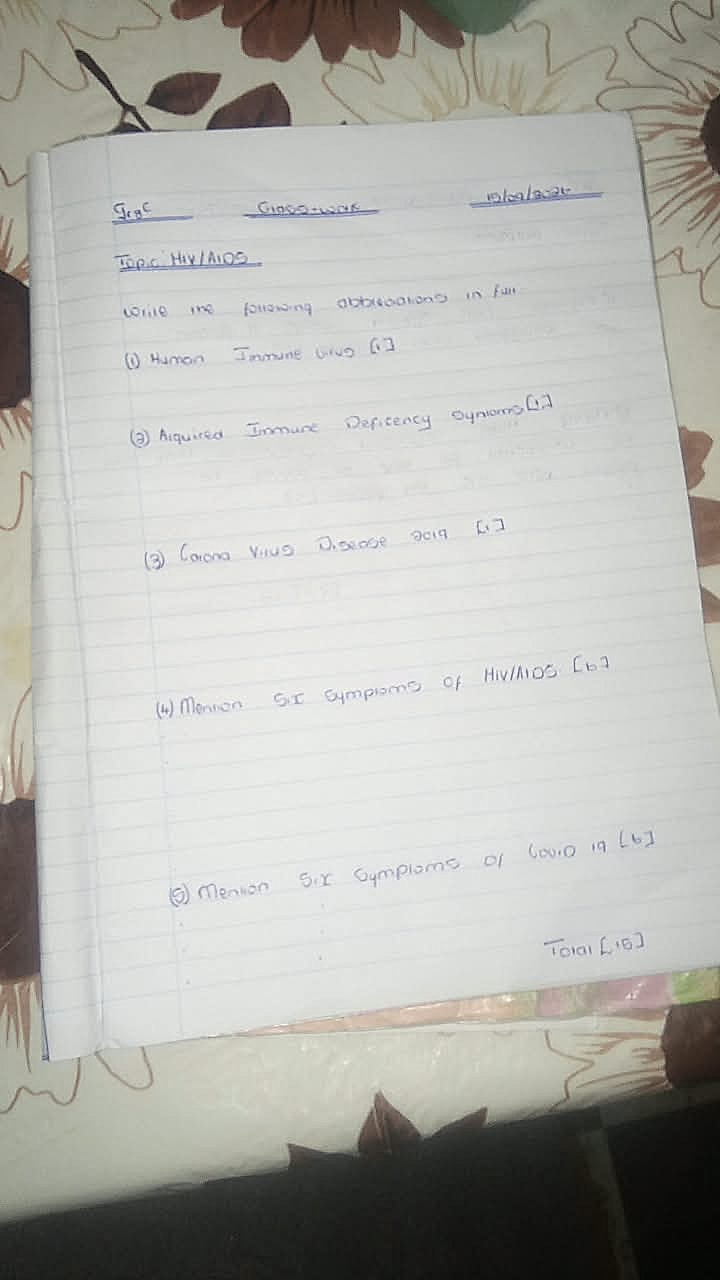
Write the following abbreviations in full: (1) Human Immune Virus [?] (2) Aquired Immune Deficiency Syndrome [?] (3) Cor…
View SolutionFeature Prokaryotic Eukaryotic Nucleus No true nucleus True nucleus Nuclear membrane Absent Present Genetic material Mai…
View Solution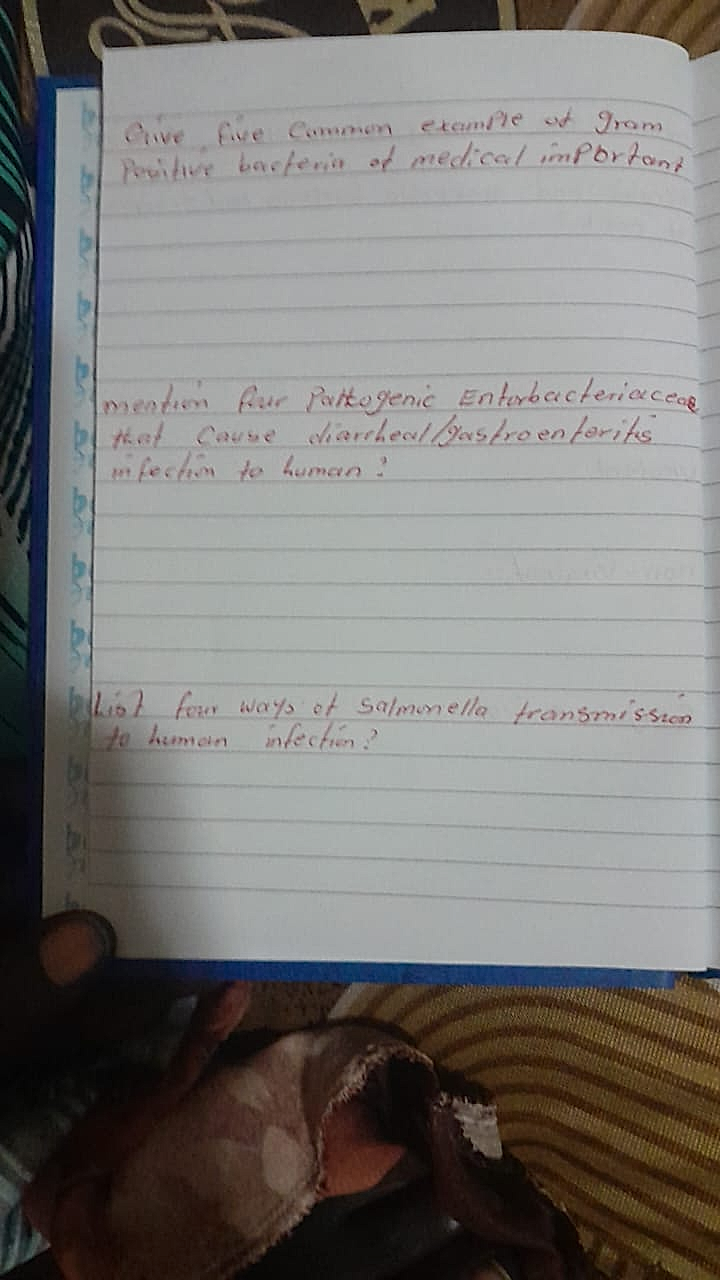
Give five common examples of Gram Positive bacteria of medical importance. Mention four Pathogenic Enterobacteriaceae th…
View Solution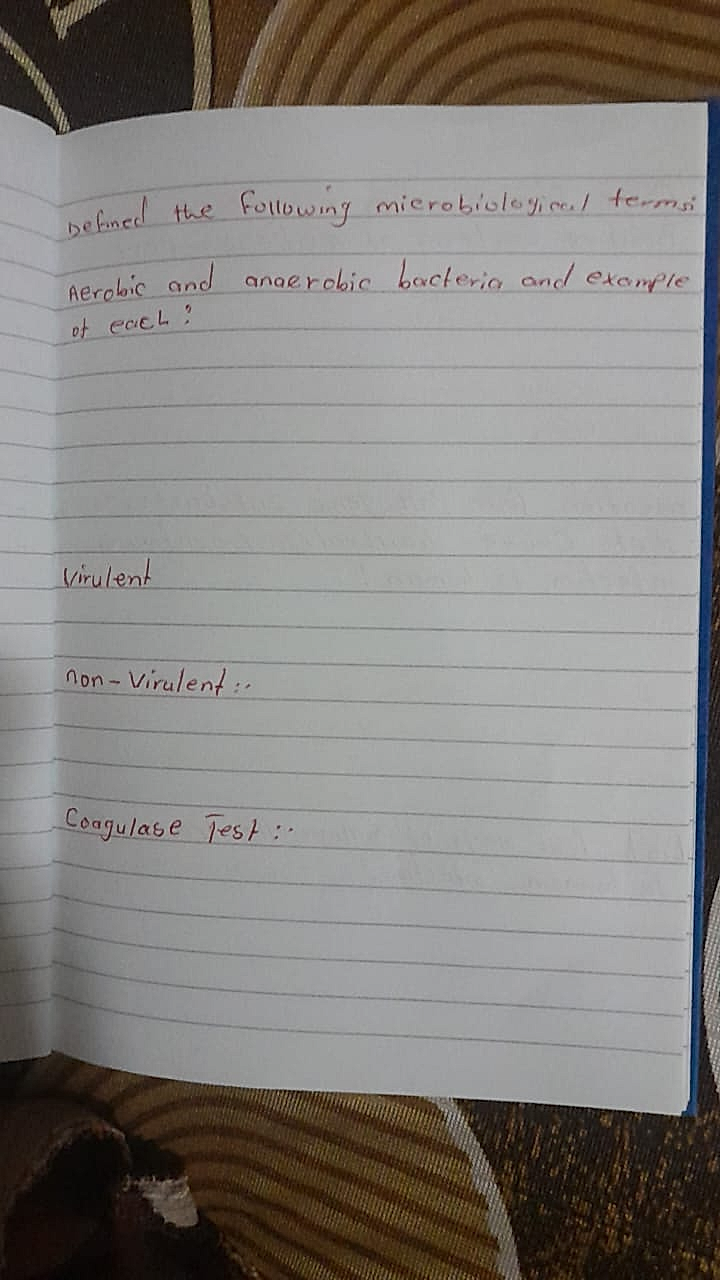
Define the following microbiological terms: Aerobic and anaerobic bacteria and example of each. Virulent. Non-Virulent.…
View Solution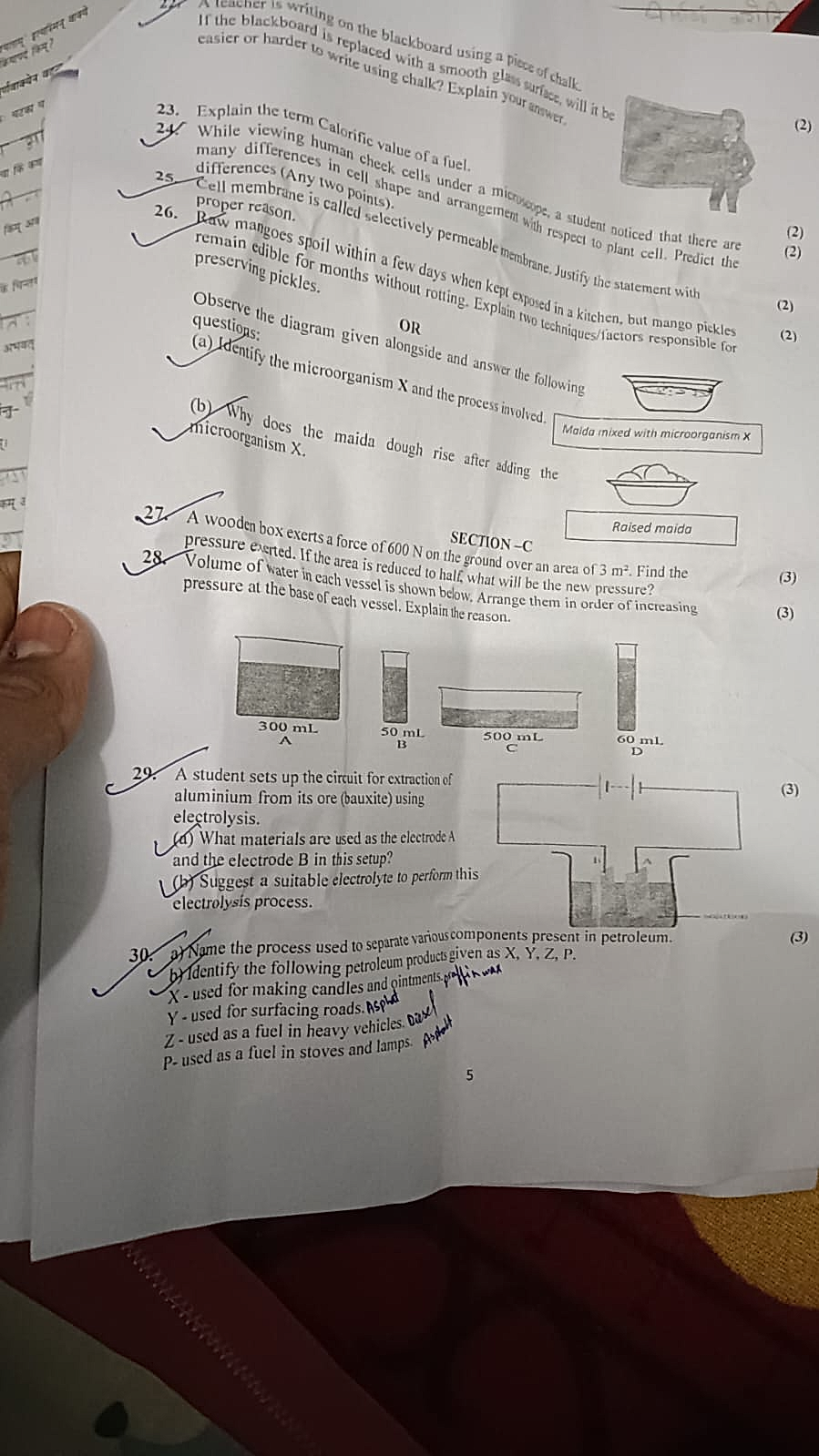
Observe the diagram given alongside and answer the following questions: Identify the microorganism X and the process inv…
View Solution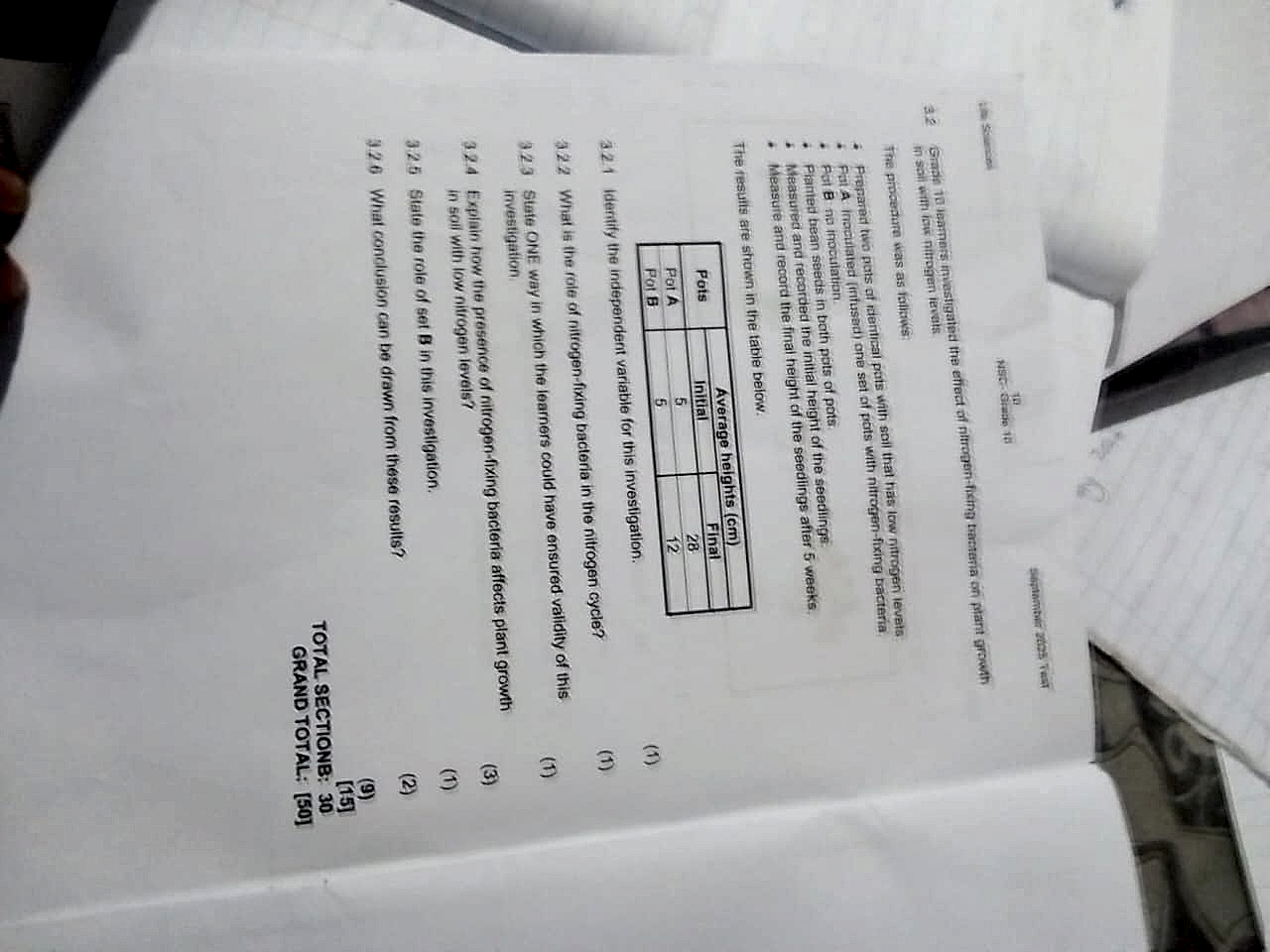
Grade 10 learners investigated the effect of nitrogen-fixing bacteria on plant growth in soil with low nitrogen levels.
View Solution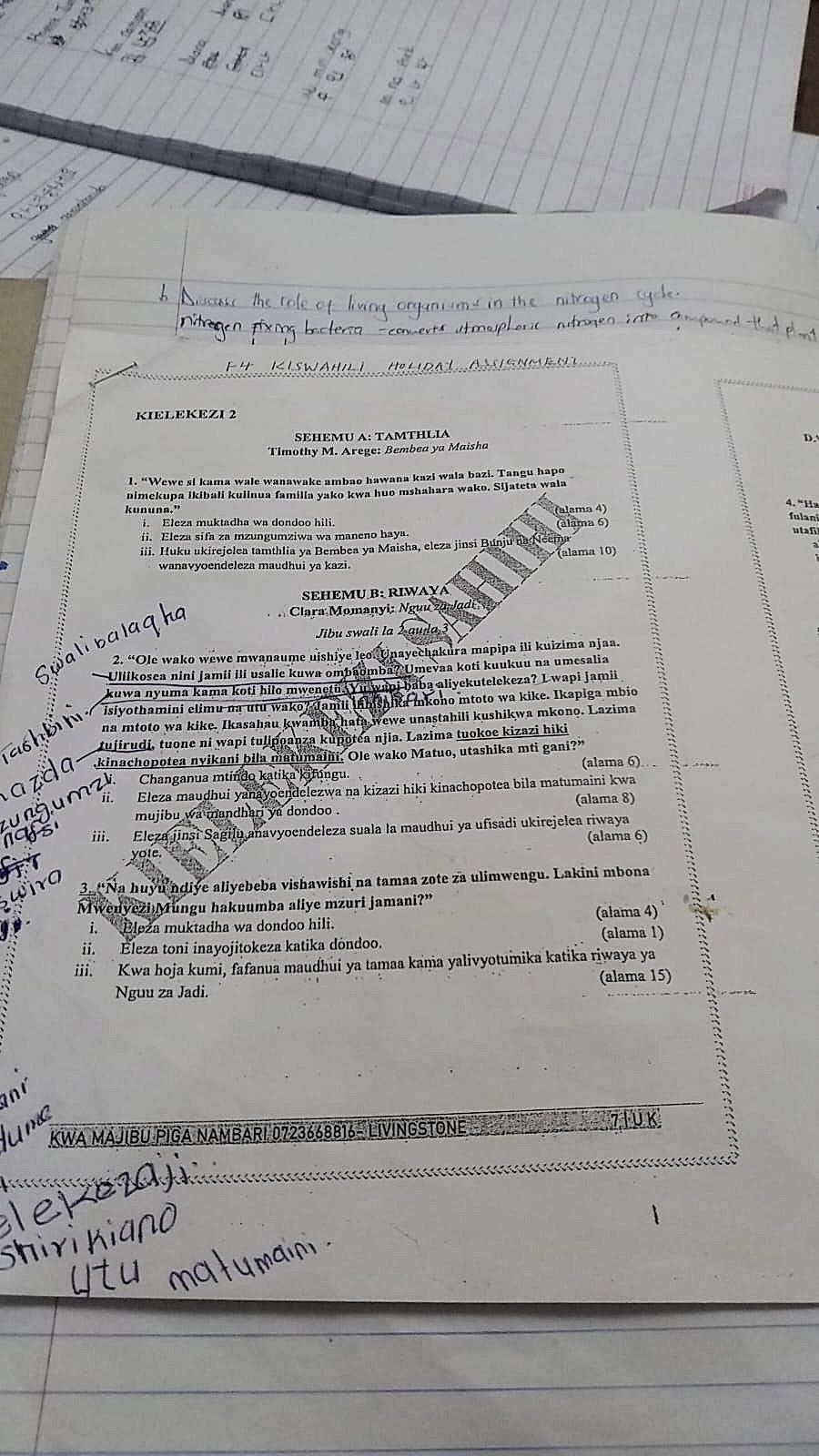
Discuss the role of living organisms in the nitrogen cycle. B. Nitrogen fixing bacteria – converts atmospheric nitrogen…
View SolutionDefine the following diseases and causative organisms: Dengue fever, Ebola, avian flu, Clostridium tetani, Zika virus to…
View Solution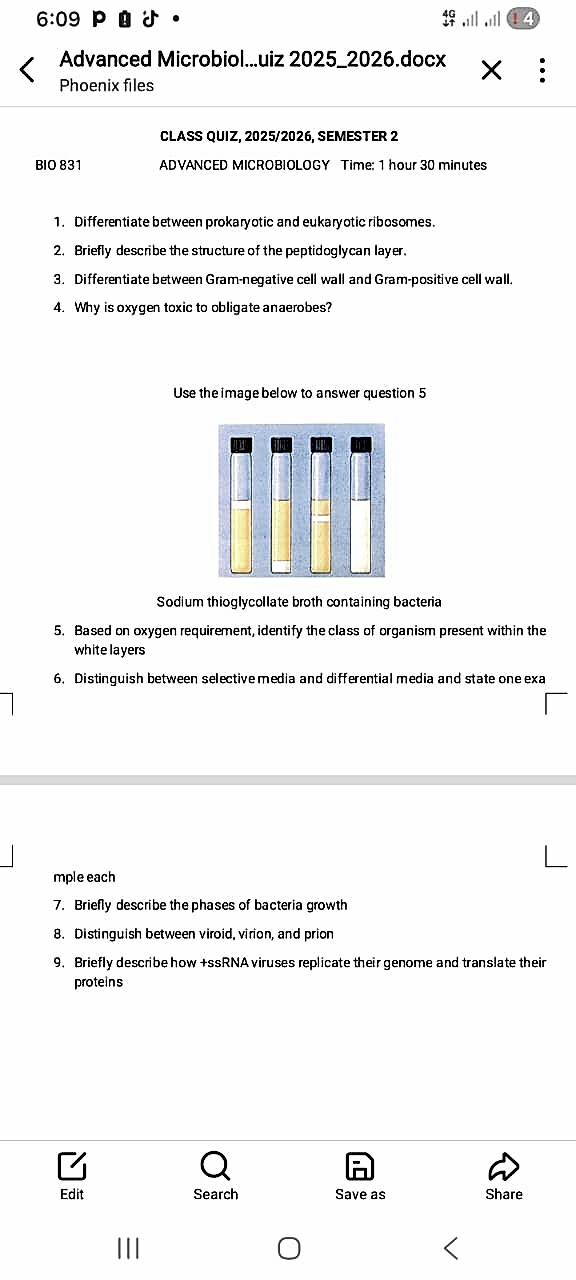
Differentiate between prokaryotic and eukaryotic ribosomes. Briefly describe the structure of the peptidoglycan layer. D…
View Solution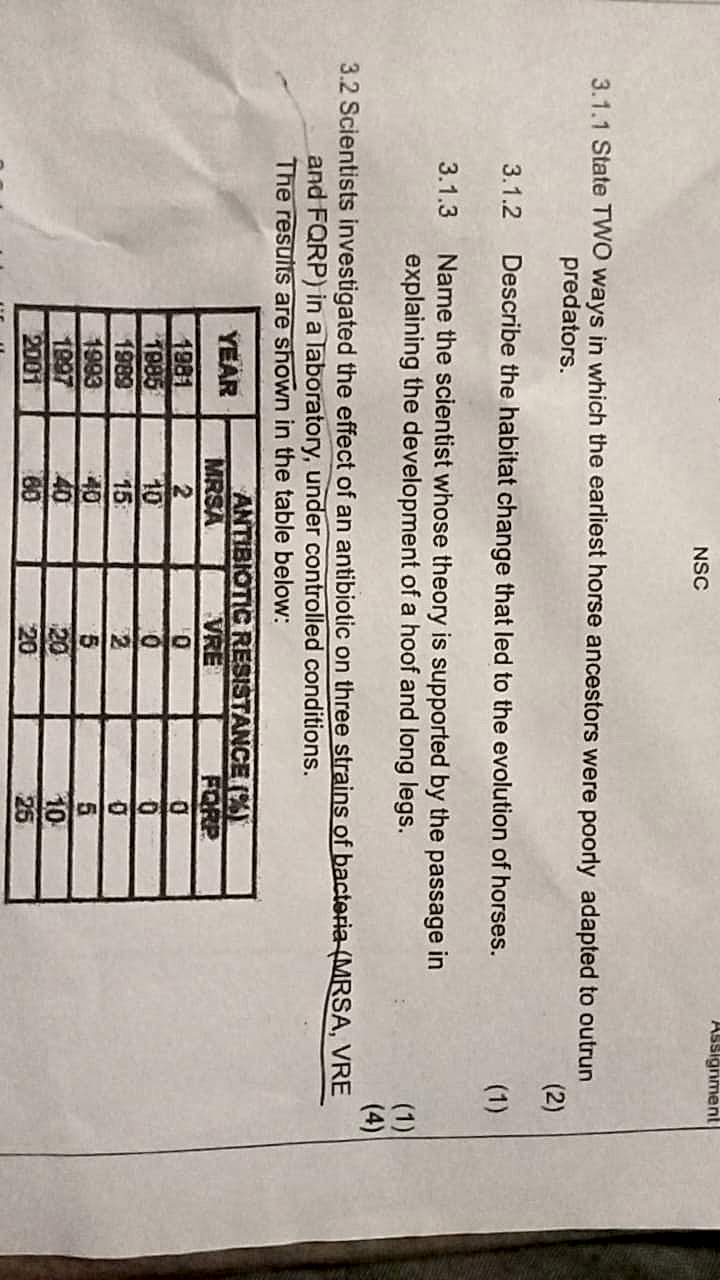
2 Scientists investigated the effect of an antibiotic on three strains of bacteria (MRSA, VRE and FORP) in a laboratory,…
View Solution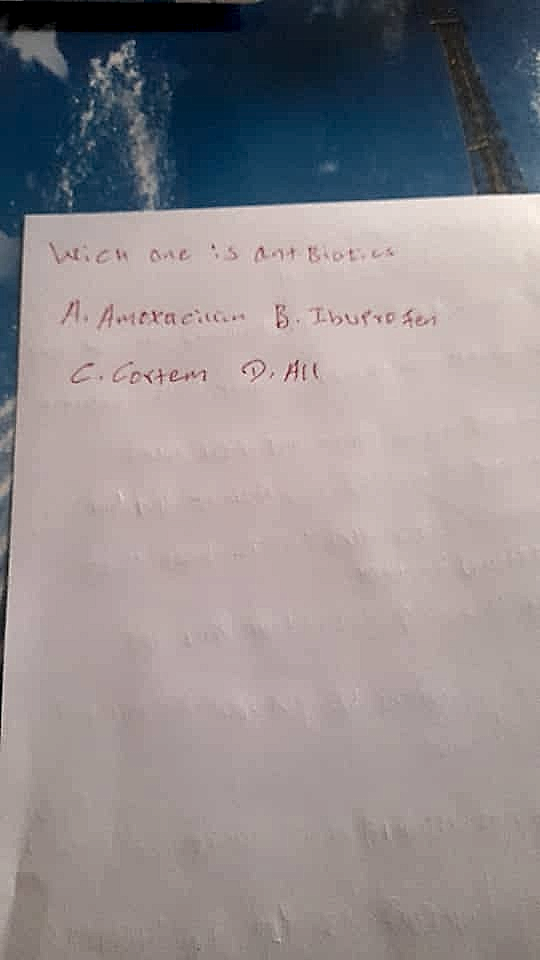
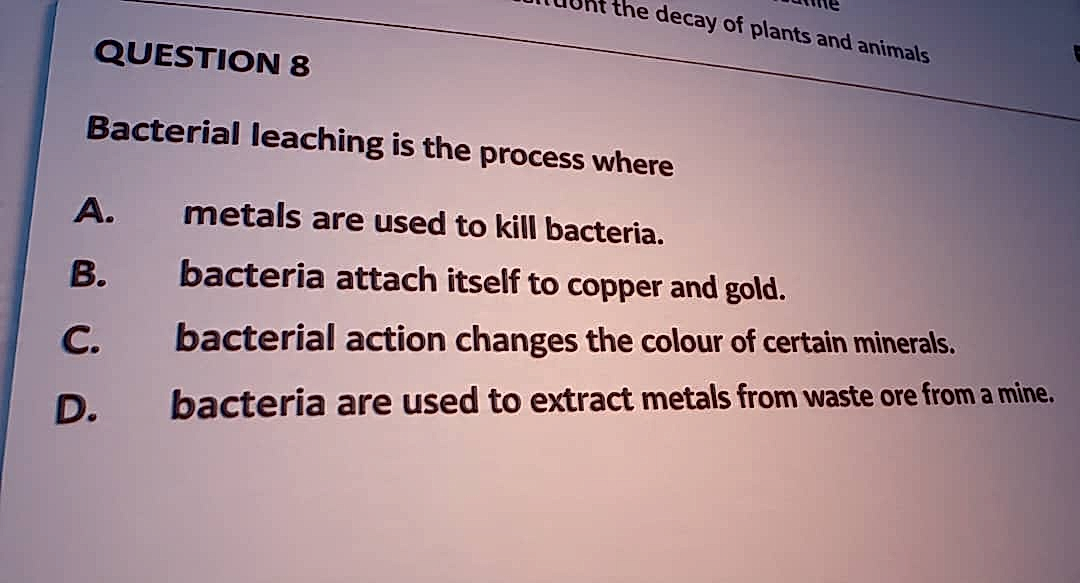
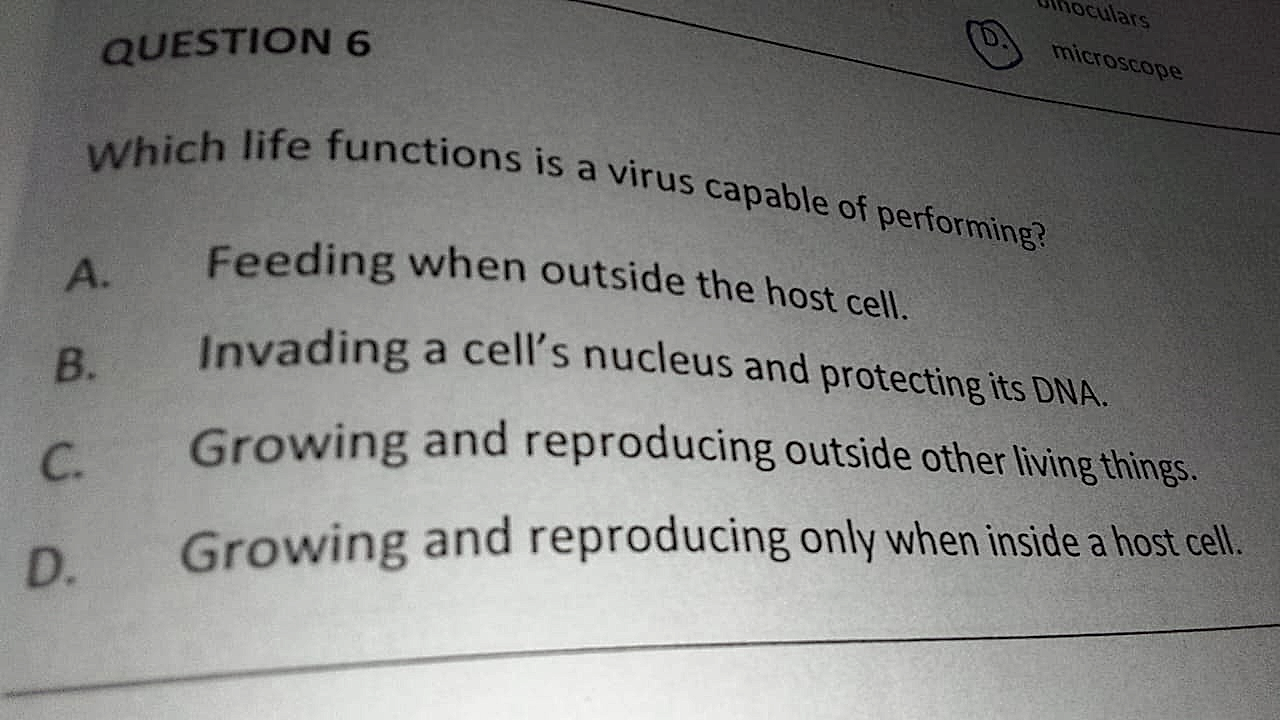
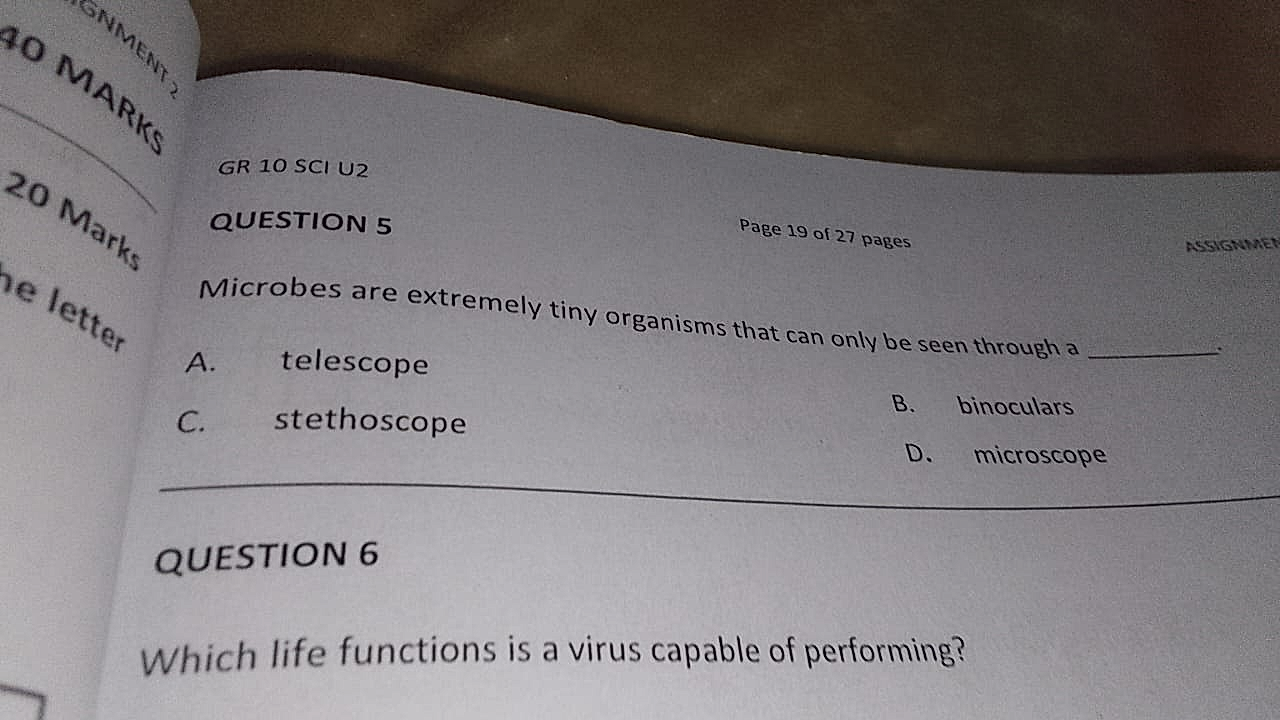
Microbes are extremely tiny organisms that can only be seen through a ___. A. telescope B. binoculars C. stethoscope D.…
View Solution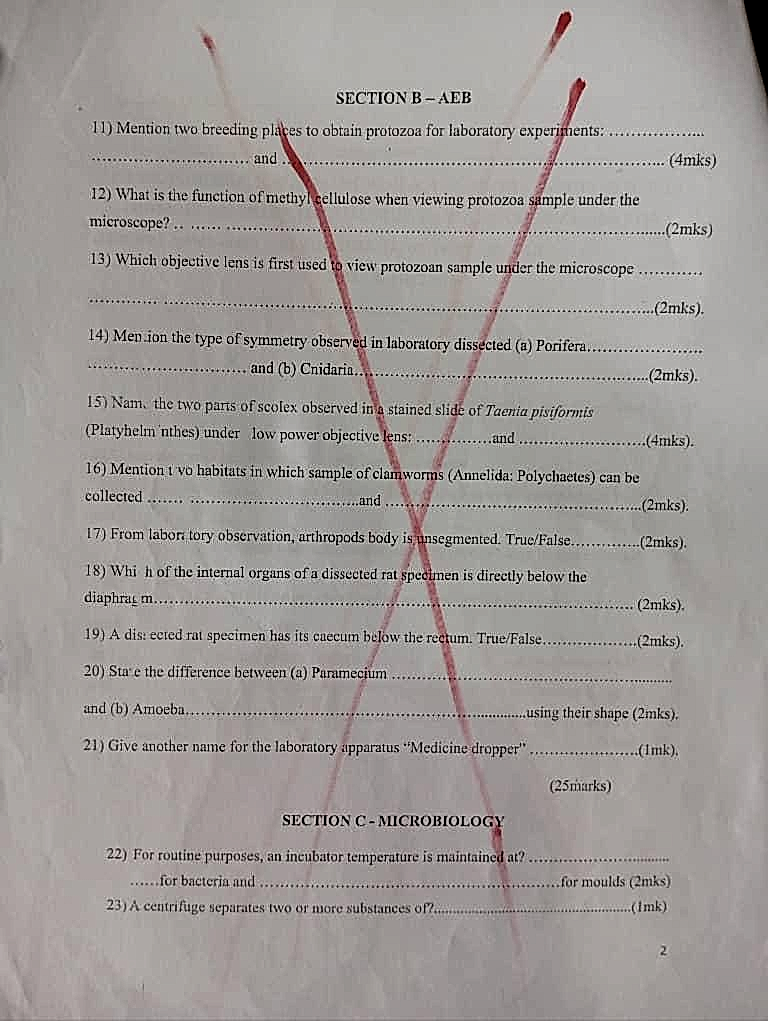
Mention two breeding places to obtain protozoa for laboratory experiments and...
View Solution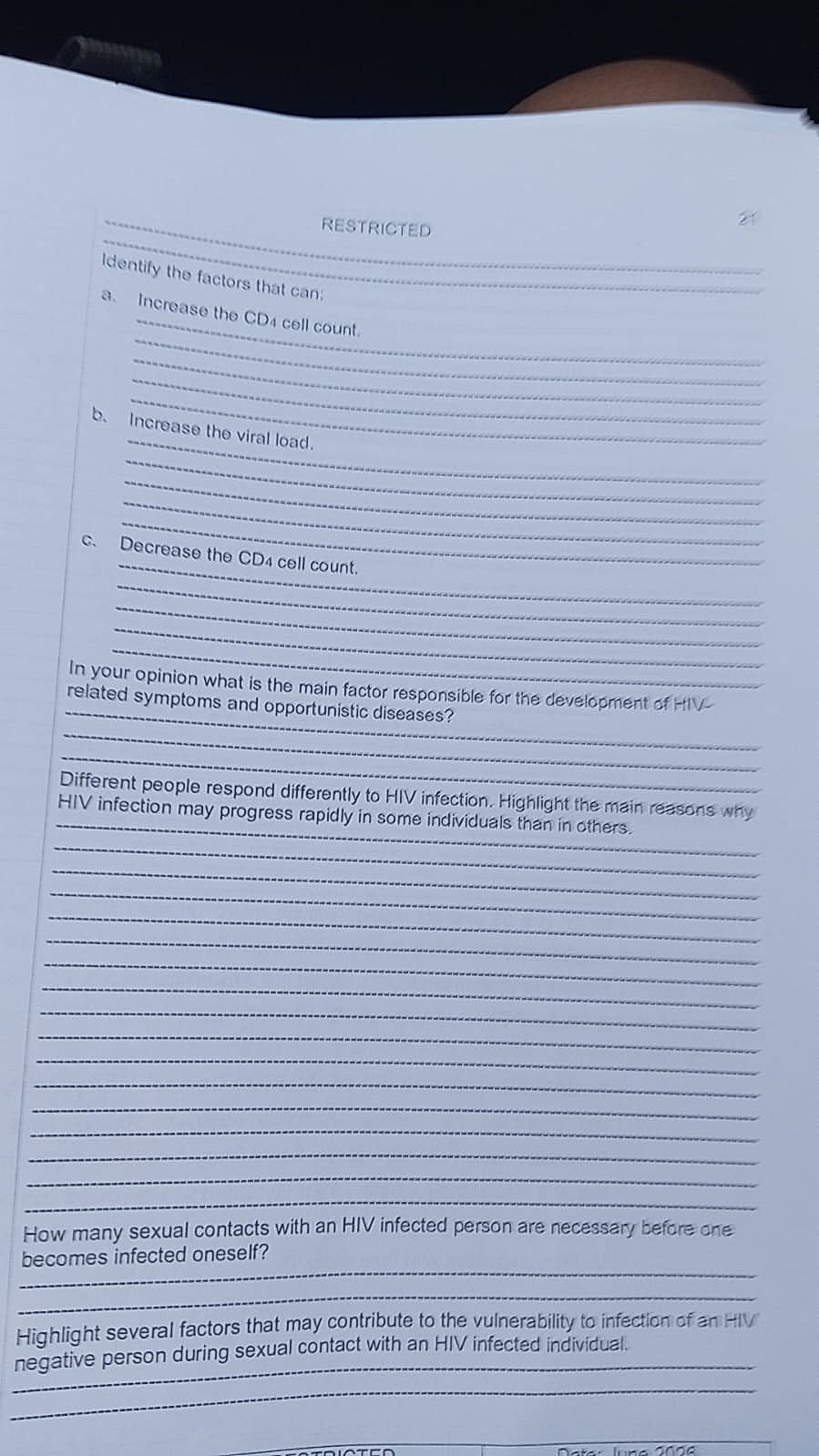
Identify the factors that can: a. Increase the CD4 cell count. b. Increase the viral load. c. Decrease the CD4 cell coun…
View Solution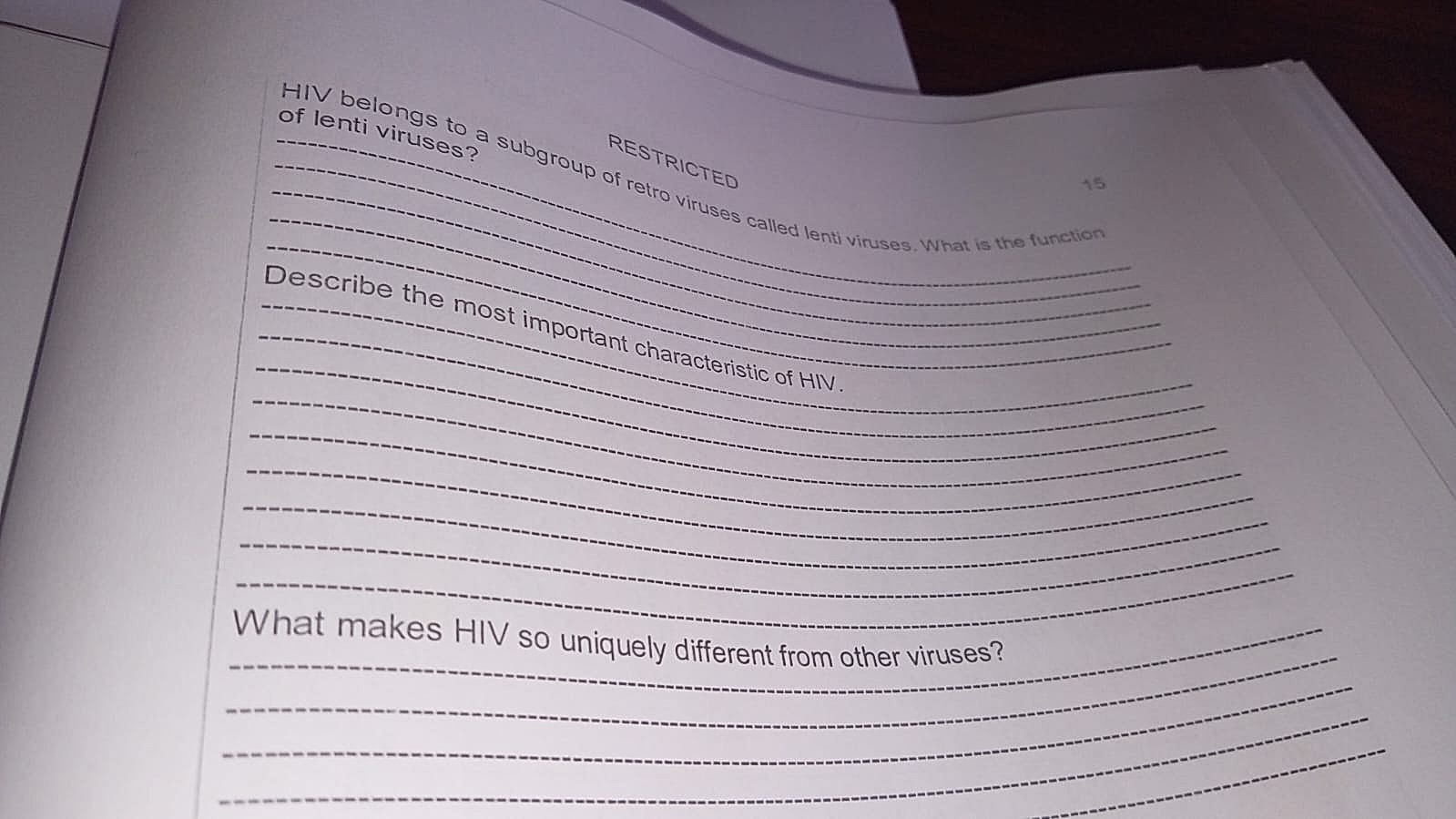
HIV belongs to a subgroup of retro viruses called lenti viruses. What is the function of lenti viruses? Describe the mos…
View Solution
Discuss which species concept would be most appropriate for bacteria, plants and animals and justify your choice.
View Solution
Write the full scientific name including author for five organisms from different kingdoms? 2. Construct a simple dichot…
View Solution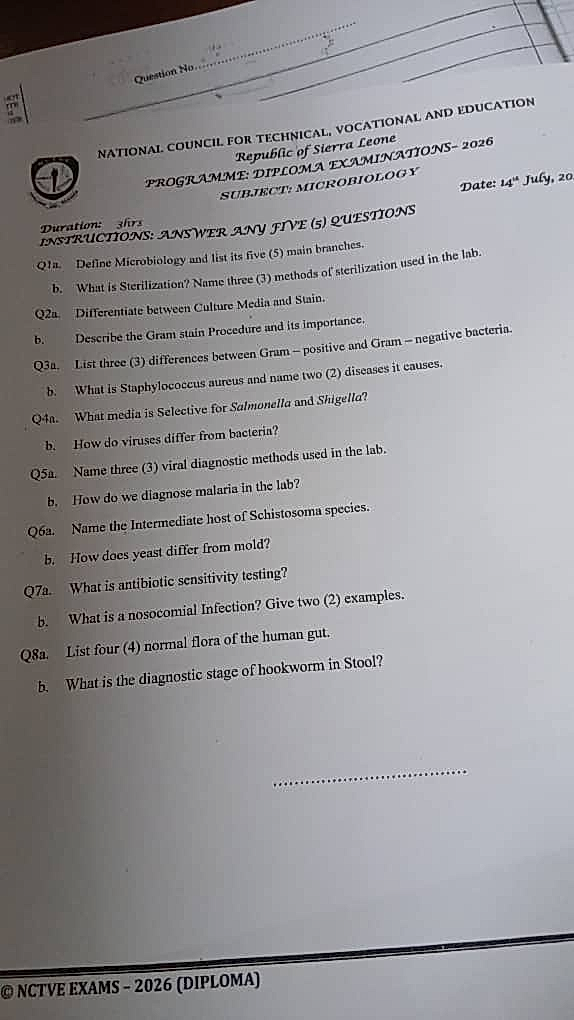
About Microbiology
Microbiology is the study of organisms too small to see: bacteria, viruses, fungi and protozoa. The questions here mix structure and classification with disease — how a pathogen spreads, how it is identified, how antibiotics work — and the laboratory technique that goes with it, including culturing and staining.
Popular Topics in Microbiology
Bacteria
Prokaryotic structure, shapes and arrangements, Gram-positive and Gram-negative staining, and reproduction by binary fission.
Viruses
Structure, the lytic and lysogenic cycles, retroviruses including HIV, and why viruses are not treated with antibiotics.
Fungi & Protozoa
Moulds and yeasts, hyphae and spores, protozoan parasites such as Plasmodium, and their life cycles.
Pathogens & Disease
Modes of transmission, the course of an infection, vectors, and prevention and control measures.
Antibiotics
How antibiotics act, resistance and how it develops, and the responsible use of antimicrobials.
Immunity
Natural and artificial immunity, antibodies, vaccination, and the role of white blood cells.
Laboratory Technique
Aseptic technique, culture media, incubation, serial dilution and colony counting.
Useful Microbes
Microbes in brewing, baking, yoghurt and sewage treatment, and nitrogen fixation in the soil.
How ScanSolve Helps with Microbiology
ScanSolve answers with the organism named at the right level — genus and species where a question expects it — and keeps the distinction between bacterial, viral, fungal and protozoan disease explicit, since treatment questions turn on it. Life cycles are given as ordered stages with the host at each stage.
For experiment and data questions the answer identifies the control and the variables first, then reads the result. Where a question asks about resistance or transmission, the answer explains the mechanism rather than listing precautions.
Study Tips for Microbiology
Learn which diseases are bacterial and which are viral. Treatment questions are unanswerable without it, and antibiotics are the trap.
Keep life cycles as numbered stages with the host named. Malaria and schistosomiasis questions are marked stage by stage.
Use precise names: Plasmodium falciparum, Vibrio cholerae. Precision reads as knowledge and is often required.
For aseptic technique questions, give the reason with each step — flaming the loop kills contaminants — not just the step.
Get Microbiology Help on WhatsApp
Send a photo of your microbiology homework and get step-by-step solutions instantly. No app download needed.
Message Us on WhatsAppFrequently Asked Microbiology Questions
How can ScanSolve help with Microbiology homework?
ScanSolve's AI solves microbiology problems step by step. Snap a photo of your homework or type your question to get instant, detailed solutions with clear explanations.
Is Microbiology homework help free on ScanSolve?
Yes, ScanSolve offers free microbiology homework help with step-by-step solutions. Upgrade to Pro at $89.99/year (about $7.50/month) or $9.99/week for unlimited answers and priority support.
What Microbiology topics does ScanSolve cover?
ScanSolve covers all microbiology topics including Bacteria, Viruses, Fungi & Protozoa, Pathogens & Disease, Antibiotics. Upload any microbiology problem and get a step-by-step solution.
Can ScanSolve solve microbiology problems from a photo?
Yes. Take a photo of your microbiology homework and ScanSolve's AI will read the problem, identify the method needed, and provide a complete step-by-step solution.
How accurate are ScanSolve's microbiology solutions?
ScanSolve uses advanced AI to deliver accurate, step-by-step microbiology solutions. Each answer includes detailed explanations so you can verify the reasoning and learn the method.
More in Science
Explore More Subjects
Have a Microbiology question?
Get an instant AI-powered step-by-step solution in seconds.