
We read your photo as:
Continuing with the example of "Fermentation for probiotic food production":
Economics
ScanSolve AI Answer
Continuing with the example of "Fermentation for probiotic food production":
-
3. Identify the problems this biotechnological process you are researching on will solve. You can justify the problem with statistical or empirical evidence.
-
c. Scientific problem
- Problem: Optimizing probiotic viability and stability during processing and storage.
- Justification: A significant scientific challenge in probiotic food production is ensuring that a sufficient number of live, active probiotic cells survive the manufacturing process (e.g., heat treatment, pH changes) and remain viable throughout the product's shelf life. Many probiotic strains are sensitive to environmental stressors, leading to reduced efficacy. Research focuses on identifying robust strains, developing protective encapsulation techniques, and optimizing fermentation parameters (temperature, pH, substrate) to maximize cell survival and metabolic activity. Empirical evidence from microbiology studies consistently shows that different fermentation conditions drastically impact the final cell count and activity of probiotics in food products.
-
d. Others
- Problem: Meeting consumer demand for natural, functional foods with enhanced health benefits.
- Justification: There is a growing global trend towards healthier eating and a preference for natural, minimally processed foods that offer additional health benefits beyond basic nutrition. Probiotic fermented foods fit this demand perfectly, providing a natural source of beneficial microorganisms. This addresses the consumer desire for preventative health measures and functional food options. Statistical evidence from market research firms indicates a steady increase in the demand for functional foods and beverages, particularly those promoting gut health.
-
-
4. State your research objectives
- Objective 1: To identify and characterize novel probiotic strains with enhanced resilience to processing conditions and improved viability in fermented dairy matrices.
- Objective 2: To optimize fermentation parameters (e.g., temperature, pH, starter culture concentration, substrate composition) to maximize the growth and metabolic activity of selected probiotic strains.
- Objective 3: To evaluate the impact of different encapsulation techniques on the survival rate of probiotic bacteria during product storage and simulated gastrointestinal transit.
- Objective 4: To assess the sensory attributes and consumer acceptability of probiotic-enriched fermented dairy products developed under optimized conditions.
-
5. Which biological organisms and processes are involved in the food transformation you are studying?
-
a. Living Organisms
- Lactobacillus species (e.g., Lactobacillus acidophilus, Lactobacillus casei)
- Bifidobacterium species (e.g., Bifidobacterium lactis, Bifidobacterium longum)
- Streptococcus thermophilus
- Lactococcus lactis
-
b. Biological processes
- Lactic acid fermentation: Microorganisms convert sugars (like lactose in milk) into lactic acid, which lowers the pH, coagulates proteins, and preserves the food.
- Proteolysis: Enzymes produced by microorganisms break down proteins into smaller peptides and amino acids, contributing to flavor development and nutrient availability.
- Lipolysis: Microbial enzymes break down fats, influencing texture and aroma.
- Synthesis of beneficial compounds: Probiotic bacteria produce vitamins (e.g., B vitamins), short-chain fatty acids (e.g., butyrate), and antimicrobial compounds.
-
Was this helpful?
Still stuck on this one?
Ask a follow-up, and the answer starts from this question.
Got a different question?Ask your own question
More Economics Questions
QFormulate a research project title and identify the social and economic problems it solves, using…QQuestion 13: Explain the scientific process of fermentation in local food production. In your…QFermentation and it's types with details?QAll fermenters are bioreactors but not all bioreactors are fermenters discuss
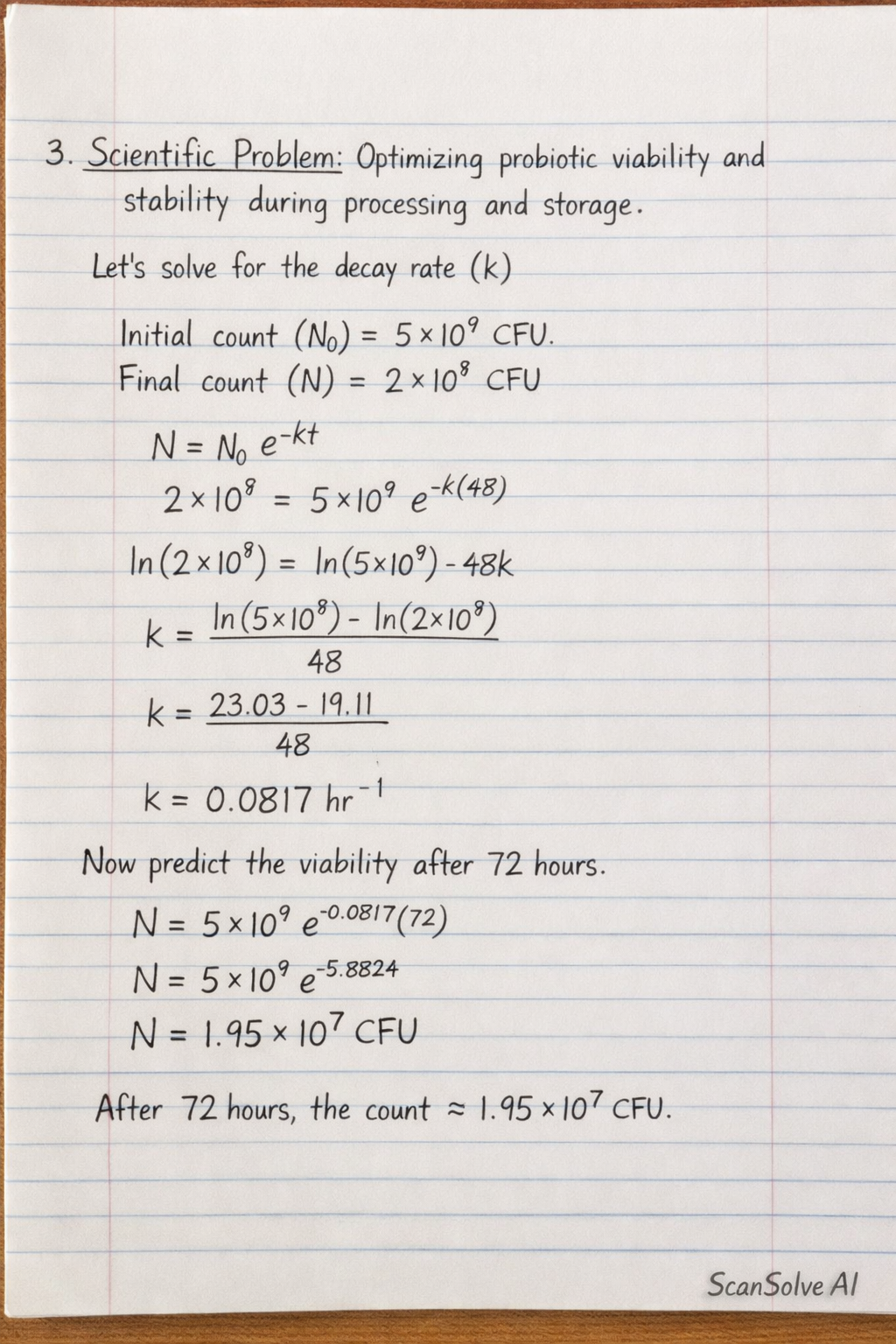
Handwritten Step-by-Step Solution
Get this as a handwritten image on WhatsApp — like a tutor wrote it for you.
Try on WhatsApp